 English



Views: 0 Author: Site Editor Publish Time: 27-08-2026 Origin: Site


Modern farming demands precise timing to maximize profits. Missing a narrow harvest window can devastate a season's overall yield. Selecting the right ground engagement system directly impacts how efficiently you operate daily. Heavy machinery often compacts vulnerable soils during critical planting phases. This compaction reduces vital water infiltration and severely harms crop root development. Operators face increased fuel burn when wheels slip continuously in wet fields. Upgrading from traditional tires to track systems represents a calculated investment in operational efficiency. It is never just a generic equipment swap. This guide provides an objective, evidence-based evaluation of track performance. You will learn how footprint dynamics influence soil health and pulling power. We will explore specific operational trade-offs and essential maintenance practices. Fleet managers can use this information to finalize procurement decisions confidently.
Performance vs. Cost: Rubber tracks significantly reduce soil compaction and wheel slip, directly improving crop yields and fuel efficiency, though they require a higher initial capital expenditure than tires.
Application Specificity: Achieving optimal rubber track traction requires matching tread patterns and rubber compounds to specific soil conditions and machine types (e.g., tractors vs. combines).
Operational Trade-offs: While superior in muddy or uneven terrain, rubber tracks face accelerated wear during heavy roading (driving on asphalt).
Smart Procurement: Sourcing reliable agricultural machinery parts requires evaluating continuous steel cord construction, warranty terms, and precise fitment measurements.
Traditional wheeled equipment frequently struggles during wet spring conditions. High slippage causes deep ruts across the field. Soil compaction severely restricts early crop emergence. Delayed planting or harvesting disrupts entire agricultural schedules. Tractors sitting idle cost money every single hour. You pay your crew regardless of field conditions. You lose fertilizer efficacy when it washes away. You need a system capable of handling adverse terrain confidently.
A successful farm machinery undercarriage investment delivers highly measurable results. It should extend your active working season by several days. Ground pressure must drop below the critical 5 to 7 psi threshold. Operators should see noticeably decreased fuel consumption per acre. We must evaluate lifetime value versus initial upfront cost.
Do not ignore long-term fuel savings. Increased drawbar pull allows faster field passes using larger implements. Yield protection remains the ultimate financial goal for any farm. Better flotation means healthier soil structure and ultimately better harvests. Track systems spread the massive weight of modern tractors over a larger surface area. This distribution prevents the formation of hardpan layers deep underground. Roots can penetrate deeper to access water during drought periods. Protecting your bottom line requires proactive equipment management. The initial capital expenditure might seem steep initially. However, the return on investment becomes clear over several seasons. You recover costs through reduced fuel usage and higher crop yields. Smart fleet managers analyze these metrics closely before purchasing.
Elongated track footprints distribute machine weight highly effectively. An agricultural rubber track prevents hardpan formation deep below the surface. Deep ruts disappear entirely when ground pressure spreads out evenly. Flotation directly protects delicate soil structures from crushing loads. Healthy soil retains optimal moisture and essential aeration.
Loose soil demands aggressive mechanical grip. Interlocking tread bars penetrate soft earth efficiently. They lock into the soil to push the machine forward steadily. Typical wheel slip drops dramatically under these conditions. You might fall from a frustrating 10-15% slip down to just 3-5%. This massive reduction in slip maximizes your true pulling capacity. Better traction means less energy wasted on spinning wheels. You stop burning expensive diesel just to stand still in mud.
Better ground contact transforms engine horsepower completely. You convert raw engine output into actual pulling power. We call this metric drawbar efficiency. Machines can pull wider implements easily through tough terrain. You finish fields using significantly fewer passes. Fewer passes save valuable time and reduce labor costs. Soil health improves when you drive over it less often. The physical mechanics involve shear strength of the soil itself. Tracks capture a large block of soil between the lugs. This action provides massive forward propulsion. Wheels only rely on a small contact patch. They easily break traction when torque increases suddenly.
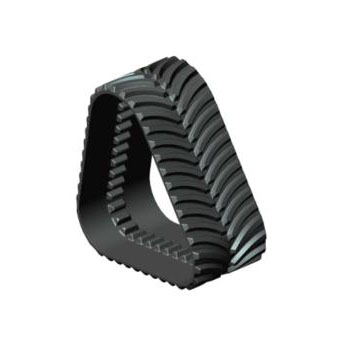
Track systems and tires serve very different operational profiles. We must compare them objectively to find the right tool. They both have clear advantages and distinct disadvantages.
Tracks excel in wet, marginal conditions.
Tires would simply sink or spin endlessly here.
They offer incredible flotation over deep mud.
You can enter fields days earlier after heavy rainfall.
Tracks also dominate on steep gradients.
These slopes require maximum lateral stability.
The long, flat footprint prevents sliding sideways on hills.
They handle heavy-draft applications like deep ripping flawlessly.
The massive ground contact patch transfers extreme torque.
It transfers this torque without breaking traction.
They reduce compaction significantly across the entire field.
This reduction boosts seed germination rates noticeably.
You avoid creating deep trenches during harvest.
Tires maintain superiority during high-speed road transport.
They move quickly between highly fragmented fields.
They handle asphalt heat much better than rubber tracks.
Tires require lower initial procurement budgets.
You spend less money upfront to outfit a tractor.
They suit applications requiring minimal turning scuff.
These delicate surfaces demand careful navigation.
Tracks can tear up grass or soft dirt during sharp pivot turns.
Tires roll smoothly through turns without berming the soft soil.
Tires cost significantly less to replace.
They require less specialized equipment to mount.
You avoid tearing up paved county roads.
Tires provide a smoother ride on hard surfaces.
Operator comfort increases during long transport days.
Undercarriage Selection Matrix Based on Usage Profile
Operational Profile | Recommended Solution | Primary Benefit |
|---|---|---|
> 80% Field, Wet Conditions, Heavy Draft | Track Systems | Maximum flotation, high drawbar pull, reduced slip. |
> 50% Road Transport, Dry Conditions | Traditional Tires | Low heat buildup, higher road speeds, lower cost. |
Mixed Usage, Steep Gradients | Track Systems | Superior lateral stability and safety on hills. |
Delicate Surface Operations (Turf/Pasture) | Traditional Tires | Minimal turning scuff and turf damage. |
Review this matrix based on the percentage of time your machine spends in-field versus on-road. Accurate usage audits prevent costly mismatched procurement.
Tractors do not operate like construction excavators. Compound formulation matters heavily for specific tasks. Agricultural tracks use softer, highly flexible rubber compounds. These premium materials self-clean efficiently in thick mud. They flex slightly as they roll over the idlers. This flexing action ejects packed dirt outward. Construction tracks prioritize extreme cut-and-tear resistance instead. They navigate sharp gravel, demolition debris, and concrete daily. You must buy appropriate field equipment parts engineered specifically for farm use. Using construction tracks on a farm tractor reduces traction significantly. Vulcanization processes differ greatly between the two types. Agricultural rubber resists chemical damage from fertilizers. It repels harsh pesticides applied during the season. Construction rubber resists chunking from sharp steel edges. Matching the material to the job prevents premature wear.
Tread design also varies significantly between industries. Deep, spaced-out agricultural chevrons optimize deep soil penetration. They push mud outward during forward rotation aggressively. Block or C-lug patterns dominate construction sites globally. Skid steers need these blocky lugs for stability on hard, flat surfaces.
Internal architecture requires specific engineering to survive farm workloads. High-torque farm work demands continuous steel cords inside the rubber. Straight-line pulling puts massive stress on the core structure. Overlapping cords often snap under heavy draft loads. Specialized internal guide lugs keep the track aligned perfectly. They withstand the lateral forces generated during uneven field operations. Inferior designs stretch, wear out, and snap prematurely. High-quality construction guarantees long-term durability in the field.
Operating tracks involves distinct realities you cannot ignore. Heat buildup ruins rubber compounds extremely quickly. Excessive high-speed travel on tarmac accelerates exterior lug wear. Friction melts the internal rubber structure over time. You must manage roading risks carefully every season. Limit asphalt travel speeds to protect your costly investment. Give the tracks time to cool during long transport runs.
Field debris causes major headaches for operators. Stubble, rocks, and mud infiltrate the undercarriage easily. Debris wraps tightly around idlers, bogies, and rollers. Daily clean-outs remain absolutely necessary to prevent damage. Ignore this chore, and you risk catastrophic failure mid-season. Derailment happens when dry mud packs the drive sprocket completely. The track simply pops off the guides under tension. Clean tracks operate smoothly without unexpected binding. Binding causes sudden strain on the hydraulic motors. You lose power when mud jams the rollers. Wash the undercarriage thoroughly at the end of the day. Use a high-pressure hose to blast packed dirt away. Visual inspections catch small tears before they spread.
Proper track tension is the most critical maintenance variable. Over-tensioning destroys these expensive bearings rapidly. It strains the entire drive system unnecessarily. It causes premature failure of the idler wheels. Under-tensioning leads directly to dangerous ratcheting. The drive wheel slips over the internal drive lugs. This severe misalignment eventually causes immediate derailment. Check tension weekly using exact OEM guidelines. Use a grease gun or hydraulic tensioner precisely.
Purchasing replacement tracks requires careful vendor evaluation. Assess tier-one aftermarket options thoroughly before buying. You do not have to sacrifice reliability for price. Look for strict guarantees on continuous cable construction. Demand drop-forged metal cores inside the drive lugs. Sourcing reliable parts ensures minimal downtime during harvest. Cheap alternatives often lack essential UV inhibitors in the rubber. They crack and degrade after just one summer exposed to sunlight.
Buyers need exact measurements before requesting official quotes. You must use the industry measurement standard to guarantee fitment. Do not guess your machine's requirements.
Measure the total track width in millimeters.
Measure the pitch (the exact distance between lug centers).
Count the absolute total number of internal metal links.
The formula is always: Width x Pitch x Number of Links. Check your current inventory before planting season starts. Request a technical fitment consultation from an authorized dealer. Compare warranty terms carefully across different distributors. Avoid parts lacking clear origin documentation or material spec sheets. You need a supplier who understands agricultural timelines. Harvest cannot wait for delayed shipping schedules. Stock availability matters more than a slight discount. Ask your dealer about their return policies. Ensure they carry replacement bogie wheels and idlers too. A complete undercarriage overhaul requires all matching components.
Rubber tracks are never a universal silver bullet. They remain a highly specialized tool for serious operators. You gain highly measurable returns when deploying them correctly. Match them precisely to the right soil conditions. Maintain proper tension consistently and keep them perfectly clean.
Audit your current fuel waste and excessive slip rates. Calculate your estimated compaction losses to justify the procurement. Compare these numbers against the initial track investment.
Take action before the next busy season begins. Gather your specific machine make, model, and primary operating conditions. Contact a dedicated parts specialist to receive a fully customized track recommendation today.
A: They usually last between 2,000 to 4,000 operating hours. Lifespan depends heavily on your roading percentage. Excessive high-speed travel on asphalt generates heat and accelerates tread wear. Regular maintenance and proper tensioning also extend their usable life significantly.
A: No, you should always replace them in pairs. Mismatched tread depths cause serious alignment issues. One side will grip differently than the other. This imbalance places extreme stress on your drivetrain. Replacing both ensures balanced traction and prevents expensive mechanical failures.
A: You need three specific measurements: width, pitch, and the number of links. The pitch is the distance between the center of one lug to the next. You can often find these numbers stamped on the inside surface of your current track.
A: Yes, they often improve net fuel efficiency per acre. Track systems weigh more than tires. However, they drastically reduce energy wasted on wheel slip. Better ground contact translates engine power directly into pulling force. You cover more ground using less fuel.