 English



Views: 0 Author: Site Editor Publish Time: 30-12-2025 Origin: Site


Pneumatic valve machining is a critical process used in manufacturing high-precision valves that regulate the flow of air, gas, or fluids within industrial systems. As industrial systems become more sophisticated and automated, the demand for valves that offer precision, reliability, and efficiency continues to grow. Pneumatic valves are used in a wide variety of industries, from manufacturing and automotive to chemical processing and oil and gas.
At JOC Machinery Co., Ltd., we specialize in providing high-quality pneumatic valve machining solutions that meet the stringent requirements of industries worldwide. Our precision-engineered pneumatic valves are designed to operate efficiently in the most challenging environments, offering unparalleled performance. In this article, we will explore the key advantages of pneumatic valve machining, shedding light on why it has become a preferred choice for industries that rely on air-powered systems for flow control.
One of the primary benefits of pneumatic valve machining is the improved precision it provides. CNC (Computer Numerical Control) machining allows manufacturers to achieve extremely tight tolerances and high accuracy when producing pneumatic valve components. This precision ensures that each valve operates optimally, effectively controlling air, gas, or fluid flow to maintain the desired pressure and flow rates within industrial systems.
For industries that require high levels of accuracy, such as pharmaceuticals, food processing, and semiconductor manufacturing, precision machining is essential. Even slight variations in valve dimensions can lead to inefficiencies, product defects, or even system failures. By using advanced CNC machining technologies, JOC Machinery ensures that each pneumatic valve meets the exact specifications required for optimal performance.
Additionally, the precision achieved through pneumatic valve machining reduces the likelihood of performance inconsistencies that can occur in traditional valve manufacturing methods. For example, manual machining techniques often result in deviations from the desired specifications, leading to suboptimal performance or even failure of valves over time. With precision machining, however, every valve produced has consistent quality, ensuring high reliability and long-lasting performance.
The ability to produce complex valve geometries and intricate internal features also enhances the flow control accuracy of pneumatic valves. These features allow for smoother and more precise flow regulation, minimizing pressure fluctuations and improving system stability.
In addition to enhancing precision, pneumatic valve machining offers significant cost savings, particularly in industries where downtime can result in substantial losses. Pneumatic systems, which rely on air or gas pressure for control, are often used in mission-critical applications, and their failure can lead to costly shutdowns.
Valves that are precisely machined offer greater durability and reliability, reducing the likelihood of system failures and, therefore, the need for costly repairs or replacements. For example, pneumatic valve machining ensures that each valve operates smoothly and efficiently, even under extreme conditions such as high-pressure environments or fluctuating temperatures.
By investing in high-quality pneumatic valve machining, companies can also reduce maintenance costs. Precision-machined valves are less likely to require frequent repairs, leading to fewer disruptions in production processes. In addition, the reduced need for repairs means that businesses can allocate their resources more effectively, improving their overall efficiency.
Moreover, pneumatic valve machining contributes to reducing maintenance and repair time by ensuring that valves function optimally over long periods. This means that production lines remain operational, minimizing downtime and allowing businesses to meet production deadlines and maintain supply chain reliability.
The following table illustrates the cost savings associated with precision-machined valves:
Factor | Impact of Precision Pneumatic Valve Machining |
Reliability | Reduces valve failure and downtime |
Maintenance Costs | Lower long-term maintenance expenses |
Production Downtime | Minimizes operational disruptions and shutdowns |
Repair Frequency | Fewer repairs due to high durability |
As shown in the table, precision machining leads to substantial cost savings across various aspects of production, from minimizing downtime to reducing repair frequency.
Pneumatic valves are often exposed to extreme conditions, such as high-pressure systems, corrosive environments, and fluctuating temperatures. The durability and reliability of these valves are critical in ensuring that industrial systems operate efficiently and safely over the long term.
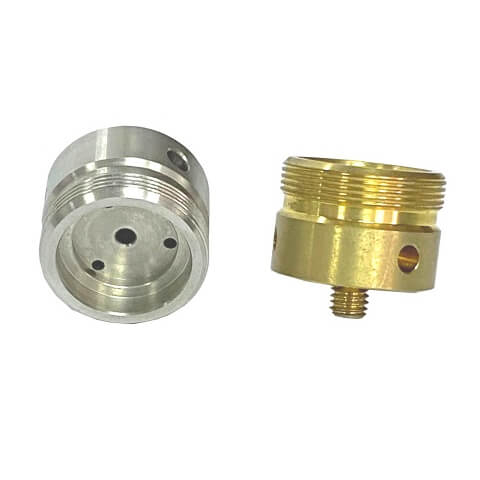
One of the key advantages of pneumatic valve machining is the ability to produce components that are highly resistant to wear and corrosion. By using materials such as stainless steel and brass, pneumatic valves can withstand harsh chemicals, high temperatures, and extreme pressure conditions. Stainless steel, for example, is known for its excellent corrosion resistance, making it an ideal material for valves used in industries such as chemical processing, oil and gas, and marine applications.
The precision of pneumatic valve machining also contributes to their durability. When valves are manufactured with high accuracy, there is less wear and tear on the internal components, ensuring that the valve operates efficiently for a longer period. This is particularly important in industries where the failure of a valve could lead to costly downtime or even safety hazards.
Moreover, precision machining enables manufacturers to design valves with complex geometries that improve their ability to handle high pressures and extreme conditions. These complex features ensure that pneumatic valves perform reliably even in challenging environments, extending the lifespan of the components and reducing the frequency of replacements.
Safety is a paramount concern in industrial environments, especially in industries that deal with flammable or hazardous materials. Pneumatic valve machining offers significant safety benefits by reducing the risk of accidents associated with electrical components.
Pneumatic valves operate using compressed air or gas, rather than electrical power, which eliminates the risk of electrical sparks that could ignite flammable substances. In industries such as chemical processing, petrochemical, or mining, where explosive gases or dust are common, the use of pneumatic valves helps ensure a safer work environment.
Furthermore, the high precision of pneumatic valve machining ensures that the valves operate within their specified parameters, reducing the risk of system malfunctions that could lead to safety incidents. For example, poorly manufactured valves may fail to maintain the correct pressure or flow rates, leading to pressure build-ups or leaks that could cause accidents. With pneumatic valve machining, such risks are minimized, as each valve is precisely manufactured to meet industry safety standards.
The increasing demand for automation in manufacturing has made pneumatic valves an integral part of automated control systems. Pneumatic valve machining ensures that these valves are not only highly durable but also compatible with automated systems, enhancing overall system efficiency.
Pneumatic valves, when precisely machined, offer quick response times and high repeatability, making them ideal for use in automated systems that require accurate flow control. Whether used in production lines, robotics, or assembly systems, pneumatic valves regulate air pressure with exceptional accuracy, ensuring smooth operation of automated machinery.
The low maintenance requirements of pneumatic valve machining also contribute to the efficiency of automated systems. Automated production lines benefit from the reliability and durability of precision-machined pneumatic valves, reducing the need for frequent servicing and minimizing system interruptions. This leads to higher throughput and reduced operational costs, making pneumatic valve machining a key enabler of efficiency gains in automated environments.
The advantages of pneumatic valve machining are significant, from enhanced precision and flow control accuracy to improved durability, reliability, and safety in industrial environments. The cost savings generated through reduced downtime, maintenance, and repairs further highlight the importance of investing in precision-machined valves for industrial applications.
At JOC Machinery Co., Ltd., we specialize in manufacturing high-quality pneumatic valves that meet the strictest standards for precision, durability, and safety. By choosing our high-quality pneumatic valve machining solutions, you can optimize your operations, reduce maintenance costs, and ensure the reliability of your systems. If you’re looking to improve your industrial processes with top-quality pneumatic valves, contact us today to learn how we can help.
What materials are commonly used in pneumatic valve machining?
Common materials include stainless steel, brass, and aluminum, which are chosen for their durability and corrosion resistance in various industrial applications.
How does pneumatic valve machining improve performance?
The precision of CNC machining ensures that pneumatic valves are manufactured to exact specifications, improving flow control and reducing the risk of system failure.
What industries benefit the most from pneumatic valve machining?
Industries such as oil and gas, pharmaceuticals, chemical processing, and manufacturing automation all rely on pneumatic valve machining for its reliability and efficiency.
Why are pneumatic valves safer than hydraulic valves?
Pneumatic valves use air pressure instead of hydraulic fluid, which eliminates the risk of electrical sparks and reduces the likelihood of hazardous leaks or fires in volatile environments.