 English



Views: 0 Author: Site Editor Publish Time: 07-01-2026 Origin: Site


Pneumatic valves are integral components used in a wide range of industrial systems to regulate the flow of gases, air, and fluids. These valves must be manufactured with precision and efficiency to ensure optimal performance, reliability, and longevity. However, the process of machining pneumatic valves requires careful consideration of several factors to ensure that the valves meet the specific needs of each application.
At JOC Machinery Co., Ltd., we specialize in pneumatic valve machining to meet the diverse requirements of our clients in various industries. Our advanced machining techniques allow us to provide highly reliable and durable pneumatic valves that operate efficiently, even under extreme conditions. In this article, we will explore the key factors you should consider when choosing the right pneumatic valve machining approach for your needs.
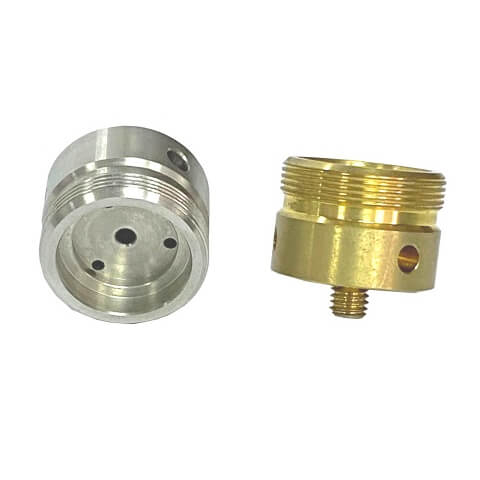
When selecting a machining approach for pneumatic valves, one of the most critical factors to consider is the choice of material. The material used in the production of a valve affects its performance, durability, resistance to corrosion, and overall ability to handle the conditions of the specific application. The two most common materials used in pneumatic valve machining are stainless steel and brass, each offering unique benefits and limitations.
Stainless Steel:
Stainless steel is widely used in pneumatic valve machining due to its exceptional strength, corrosion resistance, and ability to withstand high temperatures and pressures. This makes it ideal for applications in harsh environments, such as chemical processing, oil and gas, and pharmaceutical industries. However, stainless steel is harder to machine, which can increase production costs and lead times.
Brass:
Brass, on the other hand, is easier to machine and offers good corrosion resistance, though it is not as durable as stainless steel in extreme conditions. Brass is commonly used in applications where cost is a concern, and the valve will not be exposed to highly corrosive or high-temperature environments.
The choice of material depends largely on the specific requirements of the application, including the environmental conditions and the valve's intended lifespan. Understanding the impact of material choice on performance is crucial when determining the most suitable pneumatic valve machining approach.
Material | Strength | Corrosion Resistance | Machining Difficulty | Best Applications |
Stainless Steel | High | Excellent | Difficult | Oil & gas, chemical processing, pharmaceuticals |
Brass | Moderate | Good | Easy | Food processing, general manufacturing |
As seen in the table above, stainless steel is ideal for demanding applications, while brass is suitable for less extreme conditions with easier machining processes.
Another critical factor to consider in pneumatic valve machining is the precision and tolerance required for the valve components. Pneumatic valves are expected to maintain accurate flow control and pressure regulation, and even slight deviations in valve geometry can result in poor performance, inefficiency, or system failure.
High-precision machining ensures that the valve components meet strict tolerances, guaranteeing that the valve operates as designed. The degree of precision needed will depend on the specific application and the type of system in which the valve is used. For example, valves used in high-precision systems, such as medical devices or semiconductor manufacturing, require much tighter tolerances than valves used in less sensitive applications.
In pneumatic valve machining, CNC (Computer Numerical Control) machining is often used to achieve the necessary precision. CNC machining allows for highly accurate cutting, drilling, and shaping of materials, resulting in components that fit together perfectly and perform consistently.
The tolerance requirements should be evaluated based on the complexity of the valve design and the system's operating conditions. The higher the precision required, the more advanced and specialized the machining process will need to be.
Surface finish is an important factor in pneumatic valve machining because it directly impacts the performance and longevity of the valve. A smooth surface finish is essential for ensuring that the valve components fit together properly and operate without friction, reducing wear and extending the valve's life.
Surface Roughness
The roughness of the surface of valve components affects their sealing ability, friction, and overall performance. A rough surface may lead to improper sealing, which can cause leaks, pressure loss, or reduced efficiency. On the other hand, a smooth surface finish helps create tight seals between moving components, enhancing the valve's ability to regulate flow and pressure.
Sealing Features
Pneumatic valves often rely on seals to prevent air or fluid leaks. The precision of machining these sealing surfaces is essential for ensuring effective sealing. Poorly machined sealing surfaces can result in leaks, which compromise the valve's ability to control pressure and flow.
The surface finish required will depend on the valve's application and operating conditions. For example, pneumatic valves used in high-speed systems may require a finer surface finish to reduce friction and wear. In contrast, valves used in applications with less rigorous conditions may not require as fine a finish.
Production volume is another key factor to consider in pneumatic valve machining. The cost and efficiency of the machining process can vary significantly depending on whether you are producing small batches or large quantities of valves.
Small Batch Production
For custom or low-volume production, machining costs can be higher due to the setup time and the complexity of the machining process. However, small-batch production is often necessary for specialized or custom-made valves that need to meet specific functional requirements.
Large-Scale Production
When producing valves in large volumes, the machining process can be optimized to reduce costs. Bulk production allows for the use of more efficient manufacturing methods, such as automation and high-speed CNC machining, which can reduce per-unit costs. However, the challenge in large-scale production lies in maintaining consistent quality across all units, which is where precision machining plays a crucial role.
Choosing the right approach depends on your production needs. Large-volume production benefits from cost efficiencies, while small-batch production offers flexibility for customized requirements.
Pneumatic valve machining must take into account the environmental and operating conditions that the valve will be exposed to. These conditions include temperature, pressure, humidity, and potential exposure to corrosive substances. The valve's material, design, and machining process must all be tailored to withstand these factors.
Temperature
Valves used in high-temperature applications must be made from materials that can handle thermal expansion and resist degradation at elevated temperatures. Stainless steel, for example, performs well in high-temperature environments, while materials like brass may struggle under extreme heat.
Pressure
High-pressure systems require valves that are capable of handling intense forces without compromising their integrity. The design of the valve, along with its machining precision, must ensure that it can withstand high pressures without leaking or failing.
Corrosion
For applications in environments where the valve will be exposed to corrosive substances (e.g., chemicals or saltwater), corrosion-resistant materials such as stainless steel are crucial. The machining process must ensure tight seals and robust construction to prevent material degradation over time.
By considering these factors, manufacturers can ensure that the valves will perform optimally in their intended environment, increasing the overall lifespan of the pneumatic system.
The lead time required for machining pneumatic valves is another important factor to consider. Lead time is influenced by the complexity of the valve design, material availability, and the manufacturing process. A longer lead time can delay production, which is particularly problematic for industries with tight schedules or high demand.
Choosing a supplier with the technical capability to meet deadlines and the flexibility to accommodate urgent orders is essential. Suppliers with advanced machining capabilities and efficient production processes can reduce lead times and ensure that products are delivered on time, maintaining continuous operation for their clients.
In conclusion, when considering pneumatic valve machining, it is essential to evaluate various factors that impact the valve’s performance, durability, and overall efficiency. Material choices, precision requirements, surface finishes, and production volumes all play a significant role in determining the success of the machining process. Additionally, environmental factors, operating conditions, and lead times should be carefully considered to ensure the valve meets the needs of the specific application.
At JOC Machinery Co., Ltd., we specialize in providing customized pneumatic valve machining solutions that cater to the unique needs of our clients. By balancing these key machining factors, businesses can ensure that their pneumatic systems operate efficiently, reliably, and safely. For more information on pneumatic valve machining, contact us today.
What materials are commonly used in pneumatic valve machining?
Stainless steel and brass are the most common materials used due to their strength, corrosion resistance, and ease of machining.
Why is precision important in pneumatic valve machining?
Precision ensures that the valve components fit together properly, allowing for accurate flow regulation and pressure control in pneumatic systems.
How does the environment impact pneumatic valve machining?
Factors such as temperature, pressure, and exposure to corrosive substances dictate the choice of materials and machining processes used to ensure the valve performs reliably under those conditions.
What is the difference between small-batch and large-scale pneumatic valve machining?
Small-batch production is often used for custom or specialized valves, while large-scale production benefits from cost efficiencies and faster manufacturing times.