 English



Views: 0 Author: Site Editor Publish Time: 31-12-2025 Origin: Site


Pneumatic valve machining is a fundamental process in the production of valves used for controlling the flow of gases, air, and fluids in industrial systems. These valves are integral to a wide array of applications, including pressure regulation, fluid control, and direction adjustment in various industries, such as manufacturing, oil and gas, pharmaceuticals, and chemical processing.
At JOC Machinery Co., Ltd., we specialize in providing high-quality pneumatic valve machining solutions that are tailored to meet the specific needs of industrial systems. Our commitment to precision and reliability ensures that every valve we produce performs efficiently in the harshest environments. As industries evolve and automation becomes more widespread, the demand for high-performance pneumatic valves has soared, particularly in sectors where maintaining exact pressure, flow, and safety is crucial. In this article, we will explore the purpose and advantages of pneumatic valve machining, focusing on how it improves system efficiency, safety, and long-term reliability.
One of the primary purposes of pneumatic valve machining is to ensure that valves are able to regulate air and fluid flow with high precision. Precision is critical because even the smallest fluctuation in flow or pressure can cause disruptions in industrial processes, which can lead to inefficiencies, equipment malfunctions, and even safety hazards.
Using advanced CNC (Computer Numerical Control) machining technology, manufacturers can produce valves with tight tolerances and precise geometries. This allows pneumatic valves to maintain stable and repeatable flow control, a key component of pneumatic valve machining. For instance, valves in industrial automation systems are designed to maintain steady air pressure to power machinery and equipment. By ensuring that the valves regulate air and fluid flow accurately, pneumatic valve machining helps optimize system performance.
Precision machining also improves the valve’s functionality in maintaining consistent pressure regulation. In industrial systems where precise pressure control is critical—such as in pharmaceutical or food processing applications—high-quality machining ensures that the valves perform consistently, leading to reliable system operations.
To further illustrate the impact of precision, the following table highlights how accurate machining improves valve performance:
Feature | Benefit | Example of Application |
Tight Tolerances | Reduces flow fluctuations and leaks | Pharmaceutical manufacturing (pressure control) |
High-Precision Machining | Ensures accurate flow and pressure control | Food processing (consistent air flow) |
Consistency in Dimensions | Improves valve longevity and reduces system malfunctions | Oil & gas (pressure regulation in pipelines) |
As demonstrated in the table, precise machining enhances flow regulation, making pneumatic valves essential for industries that require steady pressure control.
A significant purpose of pneumatic valve machining is to improve the long-term reliability of industrial systems. Many industries depend on pneumatic systems to operate machinery and control processes that are vital to their operations. If valves fail or malfunction, it can lead to system disruptions, resulting in costly downtime and repairs.
By utilizing pneumatic valve machining, manufacturers can ensure that the valves are durable and built to last. The precision of the machining process ensures that the components are manufactured to exact specifications, which improves their performance and longevity. As pneumatic valves are subjected to constant pressure and wear, durability is a key factor in their performance over time.
For instance, pneumatic valves used in critical applications like gas and oil pipelines need to withstand high pressures and extreme temperatures. Precision machining ensures that these valves are built to handle such harsh conditions, reducing the likelihood of wear and tear that could lead to failures.
In addition, pneumatic valve machining minimizes the risk of defects that could cause failure in the long term. By eliminating issues like misalignment or poor sealing, precision machining contributes to the reliability of pneumatic systems. This makes it an invaluable process for industries that rely on continuous operation, where even brief periods of downtime can result in significant losses.
As automation continues to transform industries worldwide, pneumatic valve machining plays a vital role in enhancing the performance of automated systems. Pneumatic valves are often used in automation to control airflow, regulate pressure, and adjust the direction of air or fluid in robotic systems, assembly lines, and other automated machinery.
The role of pneumatic valves in automation is critical for maintaining the efficiency of production lines, as these valves ensure that systems operate without interruption. With pneumatic valve machining, companies can produce highly reliable and responsive valves that meet the demands of automated systems. For example, pneumatic valves in an automated manufacturing line control the movement of cylinders, actuators, and other components. Their accuracy and quick response are crucial for maintaining consistent performance.
Pneumatic valve machining also ensures that valves are built with minimal maintenance requirements. Automated systems benefit from valves that are durable, require less intervention, and perform consistently. This minimizes the need for manual adjustments and downtime, leading to increased efficiency and cost savings.
Automation Benefit | Impact on Performance | Example of Application |
Fast Response Time | Enhances speed of automated systems | Automotive assembly lines (high-speed manufacturing) |
Low Maintenance | Reduces downtime and operational costs | Robotics (consistent air control in robotics) |
High Precision | Optimizes performance and reduces errors | Electronics assembly (accurate flow regulation) |
By integrating pneumatic valve machining into automated processes, businesses can optimize their manufacturing systems, increasing both productivity and profitability.
In industries that involve hazardous materials or high-pressure systems, the safety and reliability of pneumatic valves are paramount. One of the core purposes of pneumatic valve machining is to ensure that valves meet stringent safety standards, especially when working in environments where the risk of leaks or equipment failure could lead to catastrophic consequences.
Unlike other valve systems that rely on electrical components, pneumatic systems operate on air or gas pressure, which significantly reduces the risk of electrical sparks. This is especially important in environments such as chemical plants, oil refineries, and mining operations, where volatile substances are handled.
Pneumatic valve machining ensures that the valves used in these industries are manufactured to meet strict safety standards. These valves are designed to handle extreme pressures and prevent leakage or malfunction that could lead to accidents. Precision machining plays a significant role in producing these components to the exact specifications required for safe operation in hazardous environments.
Furthermore, pneumatic valve machining helps companies comply with industry regulations and standards by ensuring that their valves meet all required certifications for safety and performance. This is essential in industries like pharmaceuticals and food processing, where compliance with safety standards is critical to prevent contamination or other safety issues.
An important benefit of pneumatic valve machining is the ability to customize valves to meet specific application requirements. Different industries have different needs when it comes to controlling air or fluid flow, and pneumatic valves must be tailored to meet these demands.
Customization includes the selection of materials, sizes, and designs to meet specific needs, such as resistance to high temperatures, corrosion, or the ability to handle precise flow control. For example, in industries such as oil and gas, valves need to be resistant to corrosive chemicals, while in the food processing industry, valves must be easy to clean and meet hygiene standards.
Pneumatic valve machining allows for the production of valves that are custom-designed to meet these specific requirements. Whether it’s adjusting the size of the valve to fit into a particular system, selecting materials that will withstand harsh environmental conditions, or designing valves for specialized functions, pneumatic valve machining provides the flexibility needed to meet industry demands.
In conclusion, pneumatic valve machining serves a critical purpose in optimizing industrial systems. It ensures accurate flow and pressure regulation, supports long-term reliability, enhances safety, and enables the customization of valves to meet specific industrial needs. The strategic value of precision machining cannot be overstated, as it helps businesses reduce downtime, improve efficiency, and enhance overall performance.
At JOC Machinery Co., Ltd., we specialize in high-quality pneumatic valve machining solutions that are designed to meet the unique needs of industries worldwide. With our commitment to precision and quality, we help our clients optimize their systems, improve productivity, and reduce maintenance costs. For more information on how our pneumatic valve machining solutions can benefit your business, contact us today.
What materials are used in pneumatic valve machining?
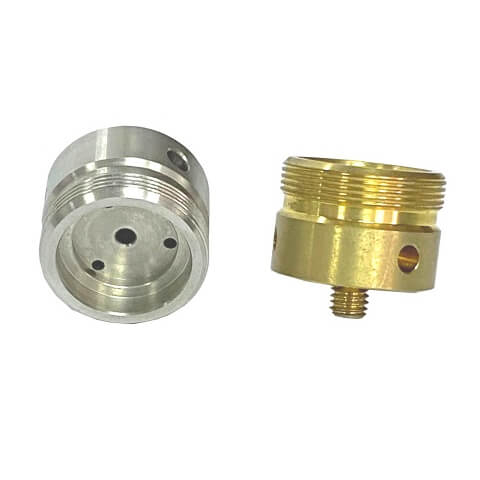
Common materials include stainless steel, brass, and aluminum, chosen for their durability and resistance to corrosion in harsh environments.
How does pneumatic valve machining improve system performance?
Precision machining ensures that valves are manufactured with high accuracy, reducing errors in flow regulation and improving system efficiency.
What industries rely on pneumatic valve machining?
Industries such as oil and gas, pharmaceuticals, food processing, and manufacturing automation all benefit from pneumatic valve machining for its reliability and precision.
Why is customization important in pneumatic valve machining?
Customization ensures that valves meet the specific needs of different industries, such as resistance to high temperatures, corrosion, and the ability to control fine flow regulation.