 English



Views: 0 Author: Site Editor Publish Time: 28-08-2026 Origin: Site


Specifying the wrong material for corrosive fluid handling does not just accelerate wear. It creates catastrophic safety risks and unplanned downtime. Systemic equipment failure often follows quickly. We see this frequently across heavy industrial applications. The problem arises when designers ignore chemical compatibility or pressure-temperature limits. You must balance these physical factors carefully to ensure long-term operational stability.
This guide breaks down how to evaluate standard and high-performance materials for corrosive applications. We map specific material properties to operational success criteria. You will learn how to align internal trims, seals, and automation components. By the end, you can confidently specify components to stop hazardous leaks and avoid premature system shutdowns.
Match Material to Media: No single material is universally corrosion-resistant; selection depends entirely on fluid concentration, temperature, and chloride presence.
Look Beyond the Body: A fully corrosion resistant valve requires aligned specifications across internal trims, seals, and actuators.
TCO Outweighs Initial Cost: Upgrading to advanced alloys or lined valves often yields a lower Total Cost of Ownership by maximizing Mean Time Between Failures (MTBF).
Systemic Compatibility: Integrating the right Pump and Valve Parts ensures reliable life cycles and prevents galvanic corrosion across the pipeline network.
Corrosive fluids attack inferior materials aggressively. Acids, alkalis, and chlorides strip away protective oxide layers on metal surfaces. This degradation leads to severe pitting and crevice corrosion. Eventually, these localized attacks breach the containment wall. Environmental leaks then become a massive operational hazard. Inferior materials compromise the entire fluid control system.
The cost of component failure extends far beyond simple hardware replacement. Direct costs include procuring new equipment and replacing lost product. However, indirect costs cause the most financial damage. Hazardous leaks trigger steep regulatory fines. Plant shutdowns halt production schedules entirely. Potential safety incidents threaten personnel and damage corporate reputation.
You must define clear success criteria during the specification phase. A successful material choice achieves verifiable compliance with industry standards. For example, sour gas applications require strict adherence to NACE standards. Your selected components must guarantee zero fugitive emissions. They should also allow for highly predictable maintenance schedules.
Metal selection represents the first critical decision in system design. You must establish a reliable baseline before exploring exotic alloys. Understanding the limits of common metals prevents costly misapplications.
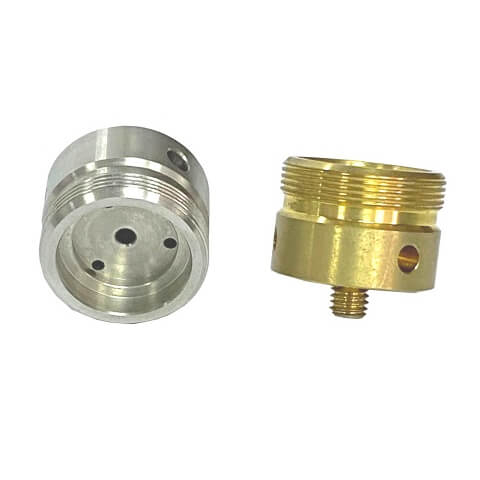
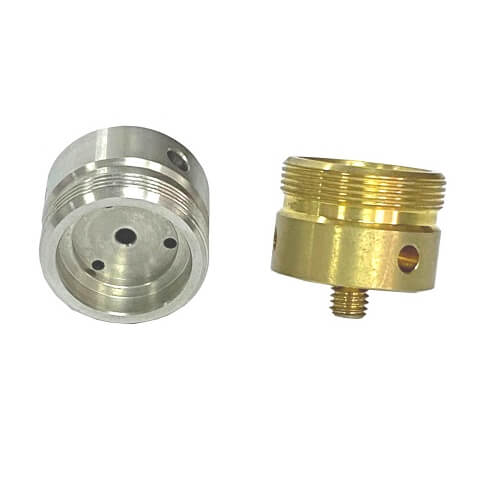
Engineers frequently specify a brass valve body for lighter duties. It provides a highly cost-effective solution for inert gases. You will also see it used for potable water and mild non-corrosive liquids. However, this material carries significant risks. It remains highly susceptible to dezincification. Zinc leaches out of the alloy in specific water chemistries. The metal fails rapidly in acidic, high-chloride, or caustic environments. You should never specify it for harsh chemical processing.
Conversely, a stainless steel valve body offers much broader capabilities. The 316 and 316L grades provide excellent resistance to many chemicals. Their molybdenum content protects against organics and moderate caustics. Yet, these standard grades still possess limitations. They remain vulnerable to pitting in stagnant seawater. High-concentration chloride solutions also cause rapid stress corrosion cracking. You must strictly evaluate the fluid temperature. Elevated heat significantly accelerates chloride attacks on standard stainless steel.
Standard Alloy Comparison Matrix
Material Grade | Optimal Media | Known Vulnerabilities | Typical Cost Level |
|---|---|---|---|
Standard Brass | Inert gases, clean water | Dezincification, strong acids | Low |
304 Stainless Steel | Mild organics, food grade | Chlorides, sulfuric acid | Moderate |
316/316L Stainless | Moderate chemicals, bases | Stagnant seawater, high heat | Medium-High |
Standard metals eventually fail when chemical concentrations rise. You must identify the specific thresholds where stainless steel becomes unviable. Recognizing these limits prevents catastrophic system blowouts. We rely on advanced alternatives when handling extreme media.
High-nickel alloys provide exceptional durability in brutal environments. Materials like Hastelloy, Monel, and Inconel handle severe chemical attacks. Hastelloy excels in high-temperature sulfuric and hydrochloric acids. Monel dominates in highly alkaline media and hydrofluoric acid services. These exotic alloys demand a high initial capital expenditure. However, they justify this expense by extending the equipment lifecycle. You should deploy them primarily in critical operational paths.
Fluoropolymer-lined components offer another powerful strategy. You can specify a PTFE or PFA lined corrosion resistant valve for aggressive media. These polymers deliver near-universal chemical resistance. They achieve this at a much lower price point than solid exotic alloys. However, lined components come with strict limitations. They possess rigid pressure and temperature ceilings. High-velocity abrasive media can quickly degrade the soft polymer lining. Mechanical wear remains a constant threat in slurry applications.
Corrosive environments do not just attack the wetted interior surfaces. Ambient corrosive vapors threaten external automation components constantly. Coastal installations and chemical plant atmospheres destroy unprotected equipment. You must secure the entire automation loop to maintain process control.
Standard aluminum actuators fail rapidly in these aggressive atmospheres. Salt spray and acidic vapors strip away basic anodized layers. We must establish strict evaluation criteria for external protection. You should specify heavy-duty epoxy coatings for moderate environments. Engineered polymer housings work well for highly acidic ambient air. For the most extreme conditions, specify 316 stainless steel actuator bodies. Proper protection for pneumatic valve parts ensures reliable automated cycling.
You must also verify trim and seal compatibility. The internal elastomers must match the chemical resistance profile of the primary housing.
FKM (Viton): Excellent for many acids and petroleum products, but fails in ketones.
EPDM: Superior for hot water, steam, and caustics, but degrades in hydrocarbons.
FFKM (Kalrez): Provides universal chemical resistance for the most extreme applications.
Incompatible O-rings or internal springs will disintegrate quickly. This internal failure paralyzes the automation loop entirely.
Relying on guesswork in corrosive flow systems guarantees premature failure. You need a structured methodology to evaluate every component. We utilize a rigid four-step decision framework for specification. This ensures predictable performance across the entire fluid handling network.
Chemical Profiling: Map the exact media flowing through the system. You must account for trace elements and impurities. These minor elements often cause unexpected corrosion. Document the precise concentration percentages, pH levels, and flow velocity.
Pressure-Temperature (P-T) Curve Analysis: Verify the structural integrity of your chosen material. Metals and polymers weaken significantly at elevated temperatures. Ensure the material handles the maximum operational extremes, not just ambient baselines.
Evaluate Galvanic Compatibility: Ensure your selected Pump and Valve Parts integrate safely. Connecting dissimilar metals causes bimetallic corrosion. You must prevent this electrochemical reaction across your existing pipeline infrastructure.
Vendor Verification and Documentation: Demand strict material traceability. You should require Material Test Reports (MTRs) before procurement. Verify EN 10204 3.1 compliance certificates to guarantee material authenticity.
Relying on assumptions in corrosive flow systems guarantees premature failure. Specification must remain strictly evidence-based at all times. You must drive your decisions using precise media parameters and realistic operational environments. Overlooking trace chemicals or temperature spikes will compromise the entire installation.
Begin by auditing your current failure rates to identify vulnerable system points. Consult detailed chemical compatibility charts for your specific fluid dynamics. Finally, engage with a qualified engineering supplier. They can review your exact system requirements and recommend appropriate high-performance alloys or lined solutions. Proactive specification always prevents reactive maintenance emergencies.
A: Standard 304 and 316 grades face high risks in stagnant chlorides. They often suffer from rapid pitting and crevice corrosion in seawater. We recommend Duplex stainless steel, aluminum bronze, or PTFE-lined options. Your final choice depends heavily on fluid temperature and flow state.
A: This usually results from dezincification caused by specific water chemistry. High oxygen levels, certain pH imbalances, or heavy mineral content strip zinc from the alloy. We suggest transitioning to lead-free silicon bronze alloys or standard stainless steel to prevent further degradation.
A: You must utilize hermetically sealed components to block corrosive vapors. Implementing continuous instrument air purges helps keep acidic gases out of the housing. Always select chemical-resistant epoxy coatings, engineered polymers, or solid stainless-steel housings for your external actuators.
A: No material provides an infinite lifespan. "Corrosion resistant" remains relative to specific chemicals and environmental conditions. All materials exhibit an eventual wear rate. You must continue tracking Mean Time Between Failures (MTBF) and perform scheduled maintenance on internal seals.