 English



Views: 0 Author: Site Editor Publish Time: 27-03-2026 Origin: Site


Cables are everywhere, but the machines behind them are easy to overlook. If you are researching production equipment or planning a manufacturing line, it helps to understand what cable machinery actually means and which machines matter most. In this article, you will learn what cable machinery is, how it fits into cable production, which machine types are most common, and what to consider before choosing equipment.
Cable machinery is the group of machines used to manufacture wire and cable products from conductor preparation to finished winding and testing.
The most common machine groups include drawing, stranding, extrusion, take-up or coiling, and testing equipment.
The right cable machinery depends on the cable type, material, process stage, and production goals.
For most buyers, the real question is not only what cable machinery is, but which machines are needed for a complete and efficient production flow.
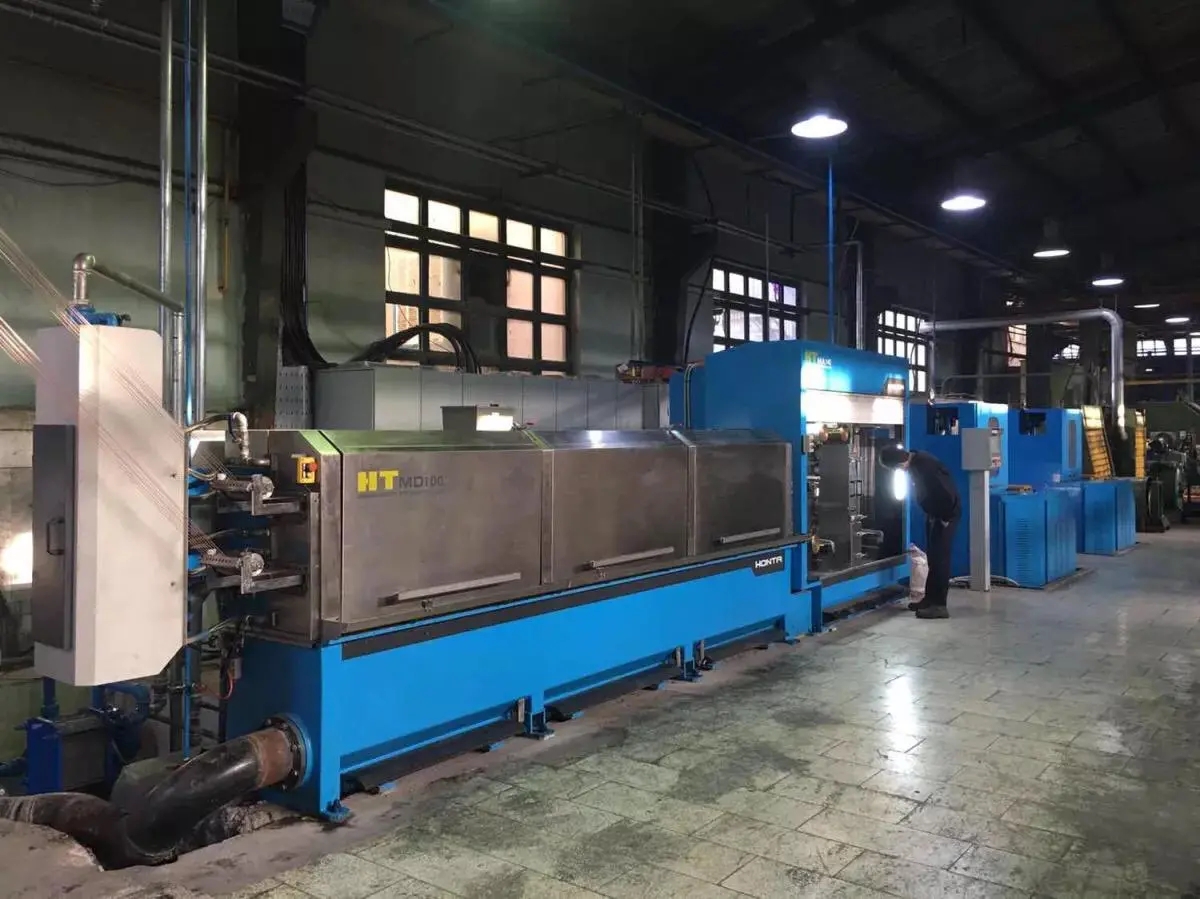
Cable machinery refers to the equipment used to produce electrical wires and cables. It includes machines that prepare conductors, combine strands, apply insulation or sheathing, handle finished cable, and check product quality before delivery.
In practice, the term often overlaps with phrases such as wire and cable machinery, cable manufacturing machinery, and cable production equipment. It is a broad category, not a single machine.
For a broader view of integrated production equipment, JOC’s advanced cable machinery and wire manufacturing equipment shows how drawing, stranding, extrusion, and finishing systems fit together in one product family.
Cable machinery supports the full manufacturing process. Depending on the product, that may include conductor reduction, twisting or bunching, insulation, jacketing, shielding, winding, and final inspection.
It is used to improve consistency, raise output, control product dimensions, and reduce production problems across different cable categories such as power cable, telecom cable, industrial cable, and automotive wire.
preparing copper or aluminum conductors
building stranded conductors for flexibility and performance
applying insulation and protective outer layers
winding finished product onto reels or coils
checking electrical and dimensional quality before shipment
Most wire and cable plants rely on a small group of core machine types. Each one supports a different stage of production.
| Machine Type | Main Function | Typical Role in Production |
|---|---|---|
| Wire Drawing Machine | Reduces wire diameter through dies | Conductor preparation |
| Stranding Machine | Twists multiple wires into one conductor | Flexible conductor formation |
| Extrusion Machine | Applies insulation or outer jacket | Insulation and sheathing |
| Take-up or Coiling Equipment | Winds finished cable onto spools or reels | Handling and packaging |
| Testing Equipment | Checks electrical and dimensional quality | Quality control |
| Braiding or Specialized Protection Equipment | Adds shielding or protective structure | Advanced cable construction |
The easiest way to understand cable machinery is to look at the production sequence.
This stage reduces the size of metal rod or wire and prepares the conductor for later processing. If you want to understand this first step in more detail, JOC’s explanation of what a wire drawing machine is gives useful background on how wire diameter is reduced and why drawing matters in cable production.
Several wires may be combined to create a stranded conductor. This is important when flexibility, strength, or certain cable constructions are required.
Extrusion machinery applies insulation and outer sheathing around conductors. This stage is central in many cable lines because it directly affects product protection and final cable structure.
Once the cable is formed, it needs to be wound in a stable and controlled way for storage, shipment, or downstream handling.
Finished cable is checked for dimensional accuracy, insulation performance, and overall production consistency.
Tip: If you are evaluating machinery, look at the full production flow instead of judging one machine in isolation. Cable manufacturing works as a system.
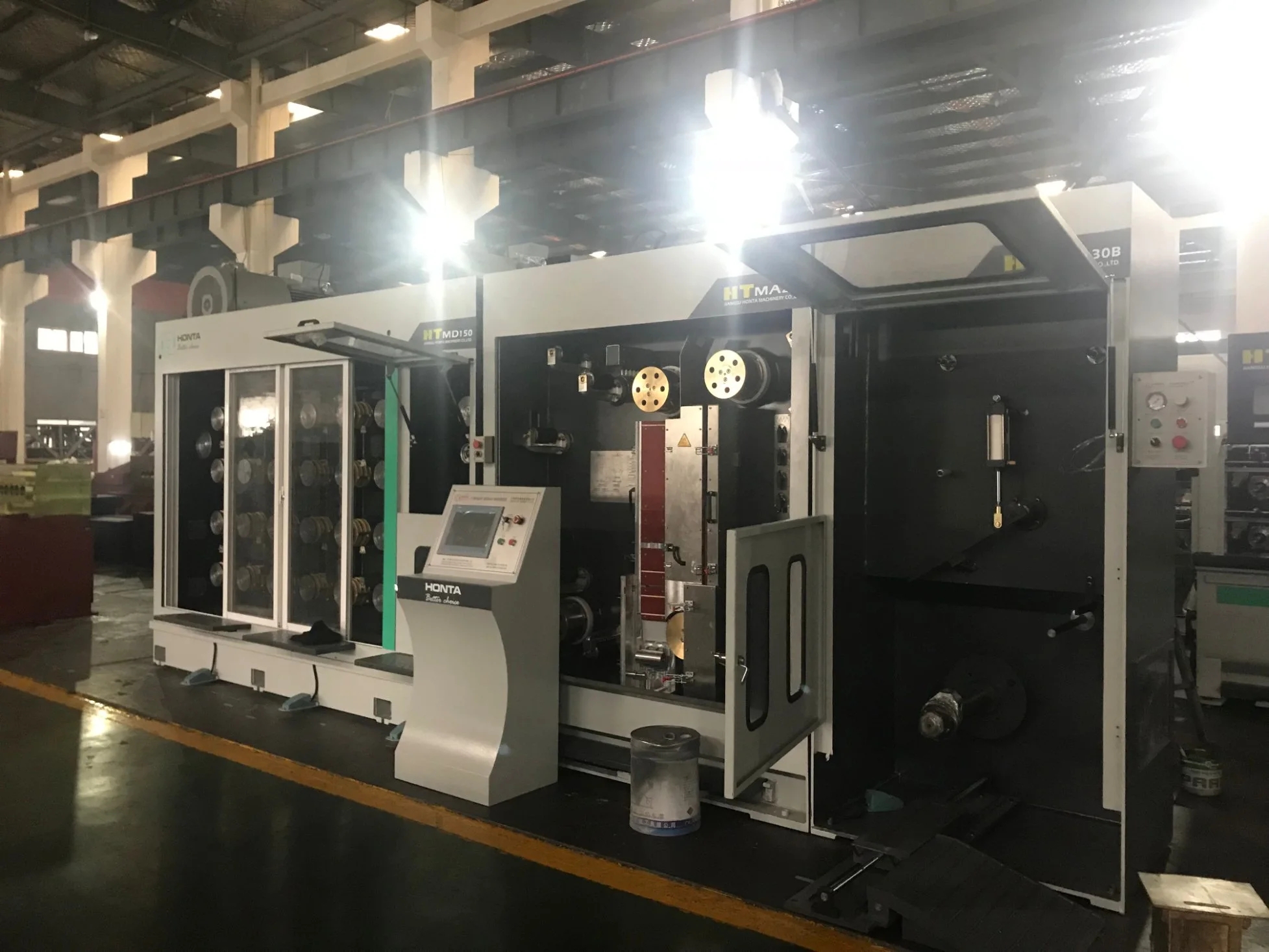
In a real factory, cable machinery does not operate as a single standalone unit. Multiple machines are coordinated across line speed, tension control, material handling, and process settings.
For a practical machine-level explanation, JOC’s article on how a cable machine works helps connect the general concept of cable machinery with actual machine operation in production.
If you are comparing equipment, the machine type is only one part of the decision. You also need to consider whether the equipment fits your product range and production plan.
Material compatibility: The machine should support the conductor and insulation materials you plan to run.
Production range: Check the wire sizes, cable types, and throughput the equipment is designed for.
Automation level: Better control systems can improve consistency and reduce manual adjustment.
Line integration: Equipment should fit smoothly into upstream and downstream stages.
Maintenance and support: Easy servicing and available technical support matter in day-to-day production.
Cable machinery is a good fit for manufacturers that need dedicated, repeatable, and scalable production of wire or cable products.
It is especially relevant for:
wire and cable manufacturers building or expanding production lines
factories moving from basic processing to higher-volume output
businesses that need tighter quality control across multiple process stages
teams planning customized cable production instead of one-off manual handling
Common Mistake: Choosing equipment based only on one machine specification. In most cases, the better decision is to match machinery to the complete product mix and production flow.
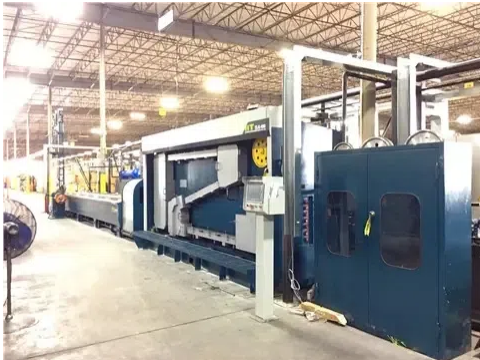
The right choice depends on what you want to produce. A plant making simple insulated wire will not need the same setup as one making more complex stranded or specialty cable.
What products will the line need to produce?
What conductor materials will be used?
Do you need one machine or a coordinated production line?
How important are automation, monitoring, and quality control?
What output level and flexibility do you need?
| If You Need To... | Focus On... |
|---|---|
| Reduce conductor diameter | Drawing machinery |
| Create flexible stranded conductors | Stranding or bunching equipment |
| Apply insulation or outer sheathing | Extrusion machinery |
| Handle finished cable cleanly and efficiently | Take-up, coiling, and winding systems |
| Review broader equipment options before purchase | Technical catalogues and integrated product pages |
If you want a broader product overview before comparing models, JOC’s cable machinery download resources is a useful next step because it includes a cable machinery catalogue and related product documents.
Cable machinery is the equipment system used to manufacture wire and cable products from conductor preparation through insulation, winding, and testing. Once you understand the main machine groups and where they fit in production, it becomes much easier to choose equipment that matches your factory’s real process needs.
A: Cable machinery means the machines used to produce wires and cables, including conductor preparation, insulation, winding, and quality control equipment.
A: In many cases, yes. The terms are often used interchangeably when discussing equipment for manufacturing electrical wires and cables.
A: That depends on the product. Drawing, stranding, and extrusion machines are often central, but the most important machine is the one that controls the critical step in your target product line.
A: No. The equipment mix depends on cable type, conductor material, product design, and whether the factory needs one machine or a complete line.
A: Start with your product plan, material requirements, process stages, and output goals. Then choose machinery based on the full production flow rather than one isolated machine feature.