 English




Views: 0 Author: Site Editor Publish Time: 11-11-2026 Origin: Site


A replacement bearing can fit the same shaft and housing and still make the machine run hotter or admit more contamination. On a fan motor, extra seal drag can matter more than splash protection. On an agricultural drive, a little more friction may be acceptable if it keeps dust away from the grease. The choice between a sealed and shielded deep groove ball bearing starts with the environment at the bearing itself. Then compare the speed, temperature and grease specifications for the exact part numbers. A familiar suffix is a useful starting point, especially if you can read the full designation from the old bearing.
Closure | How it works | What to verify |
|---|---|---|
Metal shield | A small running gap lets the inner ring turn without rubbing the shield. | Protection against the actual particle size, moisture exposure and grease migration. |
Non-contact seal | A shaped sealing element leaves clearance at its running interface. | Catalog protection level and speed limit for the specific seal geometry. |
Contact seal | A seal lip runs against a mating surface on the inner ring. | Starting torque, heat, seal material and suitability for the contaminants present. |
A shield generally sits in the outer ring with clearance to the rotating inner ring. That small gap keeps the shield out of the friction calculation as a rubbing surface, but also gives fine dust or liquid a potential route into the bearing. A contact lip closes that route more effectively under suitable conditions. Non-contact seals use geometry and clearance to improve protection while keeping running drag low. Seal designs vary, so the word sealed alone tells you little about how the lip interfaces with the ring.
Z and ZZ or 2Z commonly indicate shielding on one or both sides, respectively. 2RS is commonly used for a bearing with seals on both sides. The actual seal construction, material and fit still depend on the bearing designation system. JOC Machinery’s deep groove ball bearings for construction or agricultural machinery list open, ZZ and 2RS options. Treat those options as a starting point for specifying the exact closure and grease you need.
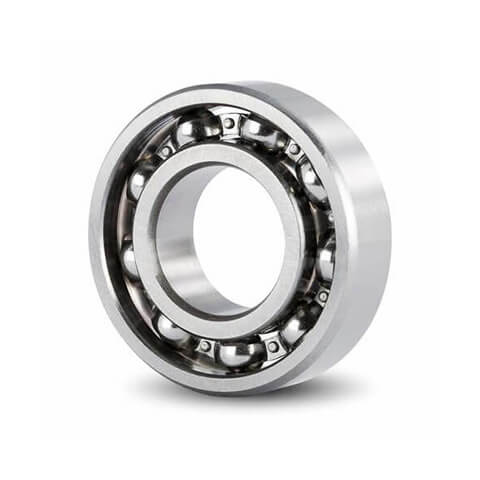
Check both sides before ordering. One face may sit in a dry enclosure while the other faces airborne debris or an external grease cavity. A section drawing can show whether the machine relies on a bearing closure, a housing seal or both. On a used assembly, a shield can also look deceptively similar to a metal-backed seal. Identify it from the complete part marking and catalog drawing where possible. For a partially legible bearing, record the marking and measure the bore, outside diameter and width before comparing candidates.
A contact lip consumes some of the drive’s available torque as it rubs the rotating surface. That drag can show up during cold starts on a low-torque drive and as extra heat at sustained speed. A shield or a non-contact seal can reduce closure drag, but the speed limit still depends on the bearing, grease, cage and application. Compare the limiting speed of the exact versions under consideration and check the catalog conditions associated with that value. Use the expected speed at the bearing shaft, including sustained high-speed operation and any overspeed the equipment manufacturer specifies.
Operating temperature depends on the whole assembly. A tight shaft fit, low residual clearance, unwanted preload or poor heat rejection can raise temperature even with a low-drag closure. If a motor ran cool before the bearing change, compare the old and new bearings under similar load and ambient conditions. Check alignment, fits and installed clearance before attributing a temperature change to the seal. If the equipment has defined commissioning limits, use those limits and the equipment procedure to judge the result.
Many double-shielded and double-sealed bearings come pregreased. The closure helps keep that grease in the bearing and limits entry of material that could degrade it. Grease life also depends on speed, operating temperature, load and the lubricant itself. Ask for the grease designation and operating range if the application runs hot, sees cold starts or uses a specified lubricant. Two bearings with the same basic size and closure shorthand can have different grease fills.
Some machines lubricate an open bearing from a housing or an oil circuit. Before fitting a closed bearing there, trace the lubricant path from the supply to the rolling elements and back to the drain or sump. An added closure can alter that path. A failed bearing from such a position may show signs of poor lubricant delivery even when the housing still contains plenty of oil or grease. Document how the original arrangement was fed before choosing the replacement.
For a fan or electric motor in a clean enclosure, the shaft may run fast while the bearing sees little direct contamination. A shielded or low-drag sealed version can be a candidate where the assembly already provides protection and the grease and speed ratings suit the duty. If the machine sits near process dust, look for the path the dust takes into the enclosure. Dust near a vent and dust reaching the bearing face create different requirements.
For a dusty agricultural drive, the machine may run more slowly and face dirt at the shaft exit. A contact-sealed deep groove ball bearing can be a better candidate where the selected seal and grease suit the exposure. Look at the nearby shaft and housing for worn guards, a damaged external seal or built-up debris. If dirt enters around the bearing seat or collects against the seal lip, an upgraded closure addresses only one part of the problem. A product such as these agricultural machinery bearings can be evaluated once the location and operating conditions are defined.

For a machine that is washed regularly, record where the water comes from, how it reaches the shaft and whether it can pool near the bearing. The label 2RS alone does not establish a washdown rating. Direct jets and standing water may require an external sealing arrangement and drainage specified for the machine. Also check what happens after shutdown. Moisture can remain around a cool bearing long after the cleaning cycle ends. Inspecting the housing after a normal cleaning cycle can reveal exposure that a dry shop inspection misses.
Suppose a dusty conveyor has a shielded bearing that develops roughness between scheduled shutdowns. One offer retains the original shield and specifies the original grease. A second offer uses a contact seal and lists a lower limiting speed. First inspect where material enters the assembly. If the housing cover is missing or the external seal is worn, repairing that protection changes the exposure for either candidate. Then compare the operating speed and temperature with the data for the contact-sealed version. On a drive that starts frequently, check whether the drive has enough starting torque at the lowest expected ambient temperature. That check is especially useful when maintenance plans to standardize on one closure across several machines with different duties.
Compare each candidate at its planned service interval. The lower initial purchase price can matter on a lightly used shaft with easy access. A remote bearing that requires extensive disassembly shifts attention toward contamination protection and a documented grease life estimate. If the vendor supplies several closure options under the same family number, ask for the complete part number and drawing for the offered version. Record which side of the bearing faces the contamination source on the assembly drawing.

A final receiving check can catch a closure mix-up before installation. Match the packaging and bearing designation to the order, then confirm the closure on both faces without disturbing it. Keep the grease and clearance information with the service record so a visually similar bearing can be evaluated against the same criteria when the next replacement is needed.
Record the full designation. Capture the basic number, closure, clearance, precision and any grease or special execution suffixes. Use a drawing or machine parts list if the markings are worn.
Check the mounting envelope. Confirm bore, outside diameter, width, shoulder clearance and space next to the bearing faces. Compare the installed fit and expected temperature difference between shaft and housing.
Compare the exact catalog variants. Check limiting speed, grease, temperature range and any available torque data. Confirm whether the catalog describes contact, low-contact or non-contact sealing.
Inspect the surrounding protection. Record which side sees dust, liquid or the lubricant supply. Restore any damaged housing seals or guards identified in the inspection.
Check the assembled machine. Follow the equipment procedure for commissioning and observe starting behavior, noise and bearing temperature under representative conditions.
The bearings and gears catalog is a useful starting point for identifying the product family. For a repeat order, put the selected closure on the bill of materials alongside the full designation. Otherwise, a future buyer may receive an envelope-compatible version with a different seal or lubricant. If the original part was changed because it failed early, record the observed failure before selecting a replacement. Grease contaminated with grit, corrosion near one face, and a temperature rise after installation point to different checks. These observations guide the inspection without establishing a cause on their own.
Choose the bearing closure for what actually reaches the bearing face during operation, shutdown and cleaning. A shield is a practical option when low drag and speed matter and the machine provides enough external protection. A contact seal deserves a closer look when dirt or splash can reach the bearing directly. JOC Machinery lists both shielded and sealed options for its deep groove ball bearing range for construction or agricultural machinery. Verify the exact part’s closure design, grease, clearance and limiting speed against the machine requirements before specifying the replacement. Keep that designation in the service record for the next order.
Both commonly describe shields on both sides. Check the catalog for the specific brand and series, especially when cross-referencing a full designation that also carries a clearance or grease suffix.
Check the exact bearing and housing arrangement for the expected cleaning exposure. A contact seal can improve exclusion, while resistance to direct jets or cleaning chemicals depends on the seal design, material and machine protection.
It can suit an arrangement with different conditions on the two sides, such as a protected lubricant cavity on one face and a more exposed environment on the other. The equipment design determines which face should carry the closure and how lubricant reaches the bearing.
Follow the bearing and equipment instructions. Many small double-sealed bearings are supplied for operation with their original fill and have no provision for routine relubrication. Use the specified service arrangement if the machine requires periodic grease replenishment.