 English



Views: 0 Author: Site Editor Publish Time: 13-06-2026 Origin: Site


Valve body manufacturing plays a vital role in the functionality of industrial valves. Have you ever wondered how these critical components are made with such precision? The process behind valve body machining involves a series of highly skilled steps to ensure optimal performance.
In this article, we’ll dive into what valve body manufacturing truly means, exploring the importance of machining, materials, and precision. You’ll also learn how the right manufacturing processes impact valve functionality and reliability in industrial systems.
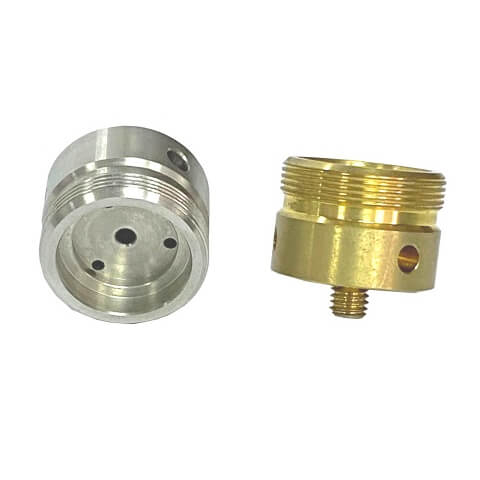
Valve body manufacturing refers to the process of creating the central component of a valve that houses various parts such as the valve stem, seat, and disc. These bodies control the flow of fluids or gases within industrial systems by managing pressure, flow rate, and temperature. The process can involve several materials such as stainless steel, brass, and alloys, depending on the specific requirements of the system.
valve body machining is crucial in this process, as it ensures that the valve body is created with high precision to ensure functionality and performance. Machining involves shaping and cutting the raw materials to exact specifications, ensuring the right fit and sealing capabilities.
The manufacturing process of valve bodies includes several steps:
1. Material Selection: Choosing the right material based on application requirements.
2. Design: Developing the valve body design using CAD software.
3. Machining: Precision cutting, drilling, and shaping of the materials.
4. Assembly and Testing: Assembling the components and performing quality checks.
Each stage is important for ensuring the final product can withstand the pressures and demands of its intended application.
CNC (Computer Numerical Control) machining plays a pivotal role in valve body manufacturing. It provides high precision and repeatability, making it ideal for complex designs and tight tolerances. CNC machines are used for turning, milling, drilling, and finishing valve bodies with unparalleled accuracy. This ensures that the components function optimally in demanding environments, such as oil and gas pipelines, chemical plants, or power generation facilities.
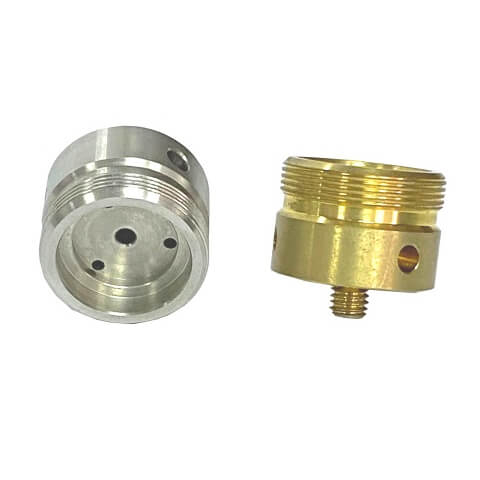
Precision is essential in valve body machining. Any minor deviation in dimensions or alignment can lead to performance issues, such as leaks or improper sealing. Tight tolerances ensure that the valve body fits perfectly with other components, maintaining optimal flow control and pressure regulation. This is especially important in industries like petrochemical and pharmaceuticals, where even the slightest imperfection can lead to major operational issues.
In valve body machining, tight tolerances are crucial for ensuring the highest level of accuracy. For instance, a tolerance of ±0.05 mm ensures that the machined valve body components are perfectly aligned and can handle the pressures and temperatures they are exposed to. This level of precision is essential for achieving a tight seal and preventing leakage, which could compromise the system's integrity.
Advanced CNC techniques, including multi-axis machining and laser machining, offer increased flexibility and precision. These technologies allow for the production of more complex valve body designs that would otherwise be difficult or impossible to achieve. As technology advances, the machining processes continue to improve, allowing manufacturers to produce valve bodies with even tighter tolerances and better performance.
Material | Key Properties | Common Applications |
Stainless Steel | Corrosion-resistant, durable, high strength | Water treatment, food industries |
Brass | Good machinability, thermal conductivity | Plumbing, HVAC systems |
Carbon Steel | Strong, heat-resistant, cost-effective | High-pressure applications |
Alloy C 276 | Excellent corrosion resistance | Chemical processing, harsh environments |
PVC | Lightweight, rust-resistant | Chemical industries, non-metallic systems |
Selecting the right material is critical for the functionality and durability of valve bodies. Common materials include:
● Stainless Steel: Known for its corrosion resistance and strength, making it ideal for harsh environments.
● Brass: Offers good machinability and is commonly used in non-corrosive applications.
● Alloys: Specialized alloys like Hastelloy or Monel are used for extreme conditions, such as high pressure or chemical exposure.
Choosing the right material for valve body machining ensures the valve body can withstand the required conditions and offer long-lasting performance.
Corrosion resistance is especially important for valve bodies exposed to harsh chemicals, high temperatures, or outdoor environments. Stainless steel and other alloys provide superior resistance to rust and degradation, ensuring that the valve body remains functional over time. Proper material selection reduces the likelihood of corrosion, leaks, and failure, ultimately leading to a longer service life for the valve.
Material compatibility is crucial in valve body machining. Certain materials are better suited for specific applications. For example:
● Stainless steel is ideal for high-temperature and high-pressure applications.
● Brass is often chosen for valves in plumbing or low-pressure systems.
● PVC and PP are lightweight and corrosion-resistant, suitable for non-metal applications.
Selecting the right material for each valve body application is essential for optimal performance and reliability.
The first step in valve body machining is selecting the right raw materials. These materials are carefully inspected to ensure they meet the required specifications before they undergo machining. Any defects in the raw material can affect the entire manufacturing process, leading to quality issues in the final product.
CNC turning, milling, and drilling are the primary machining processes used to shape the valve body. During these processes, raw materials are cut to precise dimensions and shaped to match the valve design. CNC turning uses a rotating tool to remove material, while milling involves moving the material under the cutter to achieve flat surfaces and intricate designs. Drilling is used to create holes for connecting other components.
Once the valve body has been machined, surface treatments are applied to improve the material's properties. This can include processes like polishing, coating with Teflon, or heat treatment to enhance the valve body’s durability, corrosion resistance, and overall performance. The final finishing steps ensure that the valve body meets both aesthetic and functional requirements.
CNC machining allows for high flexibility in creating custom valve bodies. Manufacturers can produce valve bodies with specific designs to meet unique customer requirements. Whether it's a specific material, shape, or performance feature, CNC machining offers the precision needed to produce custom solutions.
With valve body machining, manufacturers can easily adapt to changes in design specifications, material requirements, or production volume. This flexibility makes it easier to create prototypes, adjust designs, or scale production for different applications. It also allows for faster turnaround times and reduces the risk of costly errors.
CNC machining enables rapid prototyping, allowing manufacturers to test and refine valve body designs before full-scale production. This approach saves time and resources, ensuring that the final product meets all performance and design specifications.
Quality control is essential to ensure that the final valve body meets the required specifications. During the machining process, various quality checks are performed to verify the accuracy of dimensions, the integrity of the material, and the overall quality of the valve body.
After machining, valve bodies undergo various tests to ensure they meet performance standards. Common tests include pressure testing, where valves are subjected to simulated operational pressures to detect leaks or structural weaknesses. Leak detection tests are also performed to ensure the valve body is airtight and can function without failure.
In addition to performance testing, valve bodies are assessed for long-term durability. This ensures that the valve will continue to operate reliably over its lifespan, even in demanding environments. Proper testing helps prevent premature valve failure and extends the service life of the valve body.
Valve body manufacturing is crucial for industrial systems, ensuring valves function efficiently and reliably. The machining process involves precision techniques to shape and assemble key components. Materials like stainless steel and brass are commonly used for their durability and performance. JOC Machinery Co., Ltd. excels in providing high-quality valve body machining, offering products that meet stringent industry standards and deliver long-lasting value to clients.
A: Valve body manufacturing involves the production of the main housing that controls the flow of fluids in a valve system. It is a crucial process in creating durable and efficient valves used in various industrial applications.
A: Precision valve body machining ensures the correct shape and dimensions, which is critical for achieving smooth flow and preventing leaks in valve systems. It directly affects the reliability and longevity of valves.
A: Common materials include stainless steel and brass, chosen for their strength, corrosion resistance, and ability to withstand high pressure and temperature conditions in industrial settings.
A: Precision ensures tight tolerances and proper fit, which is essential for the valve’s functionality, leak prevention, and long-term performance in demanding environments.
A: The choice of material depends on the application’s needs, such as corrosion resistance, strength, and temperature tolerance. Stainless steel is often selected for its durability and rust resistance.
A: The cost of valve body machining depends on material type, machining complexity, and production volume. Custom machining services typically come with higher costs due to the precision required.
A: The time for valve body machining varies based on complexity and material. Simple designs may take a few days, while custom, high-precision valve bodies may take longer due to detailed processes.