 English



Views: 0 Author: Site Editor Publish Time: 24-06-2026 Origin: Site


Have you ever wondered how pneumatic systems control the movement of machines? At the heart of these systems are pneumatic valves that regulate air flow and pressure.
In this article, we’ll explore what pneumatic valves are, how they work, and why pneumatic valve machining is essential for their precise manufacturing. You’ll also learn about their key functions and applications in various industries.
A pneumatic valve is a device used to control the flow and direction of compressed air within pneumatic systems. Pneumatic systems rely on compressed air to do work, and the valves serve as the critical interface that directs this air where it's needed.
By controlling the flow of air, these valves manage the pressure and ensure that the air is directed to the correct part of the system, thus enabling the operation of machinery, robotic arms, and other equipment.
Pneumatic valves are especially important in automation systems, where precise control of air flow is required to operate equipment smoothly. Without pneumatic valves, it would be nearly impossible to achieve the precision needed for automation tasks, as the valves allow for controlled movement, pressure regulation, and efficient energy use.
In industries like manufacturing, energy production, and robotics, pneumatic valve machining ensures that each valve is manufactured to exacting standards, offering durability, efficiency, and reliability in demanding environments.
Investing in high-quality pneumatic valve machining ensures long-term reliability and performance in complex automation systems.

At its core, a pneumatic valve uses a simple mechanism to control air flow. It can either open, close, or modulate the passage of compressed air. When air pressure is applied, the valve mechanism moves—either a diaphragm or a spool—allowing or blocking the air from flowing through.
The movement of the valve is controlled by several factors, including solenoids, springs, or even manual actuators, depending on the type of valve.
There are several types of pneumatic valves, each suited to different applications. Some of the most common types include:
Type of Pneumatic Valve | Description | Applications | Advantages |
Ball Valve | Uses a rotating ball to open or close the valve. | Common in systems requiring quick on/off control. | Simple design, fast operation. |
Spool Valve | Uses a sliding spool to open or close air passages. | Used for directional control in complex systems. | Precise control of multiple air paths. |
Check Valve | Allows air flow in one direction only. | Prevents backflow in pneumatic systems. | Ensures air flows in the correct direction. |
Pressure Relief Valve | Releases excess air to maintain system pressure. | Prevents pressure overload in pneumatic systems. | Protects systems from overpressure damage. |
Tip: The right type of pneumatic valve can optimize system performance by ensuring precise control and preventing system inefficiencies.
Machining Process | Purpose | Benefits | Typical Use |
CNC Turning | Used to shape the valve body by rotating the material. | Provides high precision and smooth surfaces. | Used for creating valve bodies with complex geometries. |
CNC Milling | Removes material from the valve to create features. | Produces fine details and accurate dimensions. | Ideal for creating intricate valve features and channels. |
Drilling | Creates holes for air passages and connection points. | Ensures precise alignment of passages and seals. | Used for valve bodies where air flow must be precisely controlled. |
Laser Machining | Uses a laser to cut or engrave materials. | Extremely precise, no physical contact required. | Often used for fine cuts or creating small, detailed parts. |
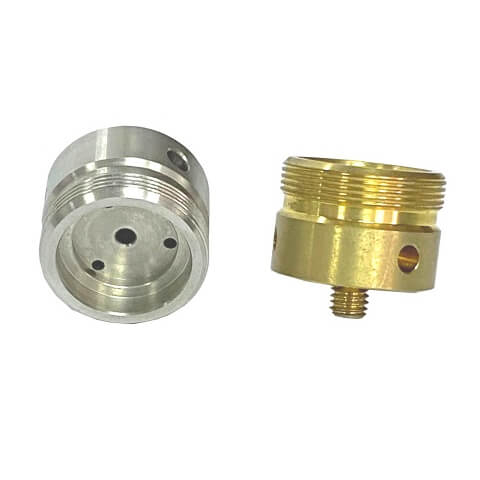
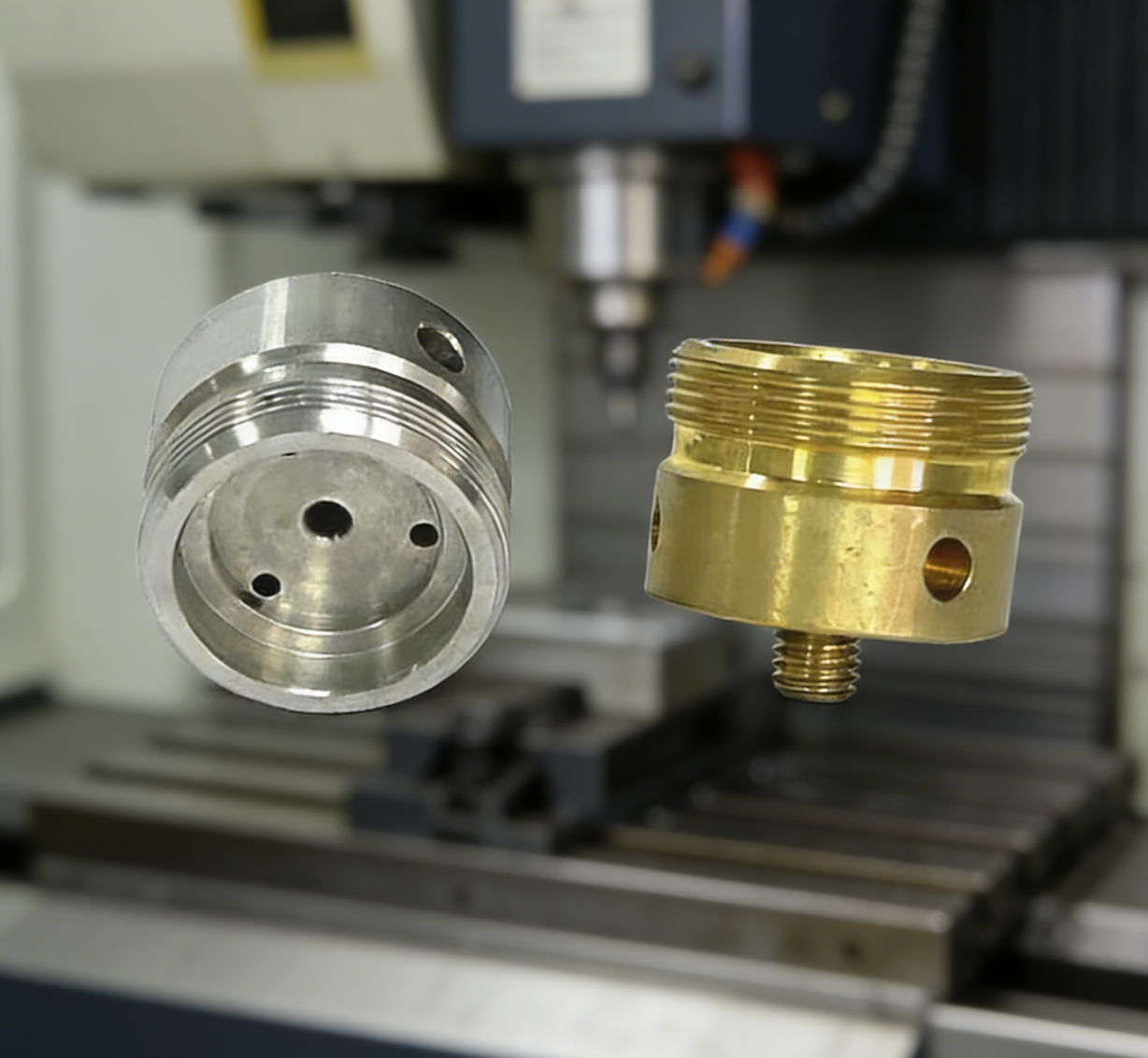
pneumatic valve machining refers to the manufacturing process that creates these valves with high precision. CNC (Computer Numerical Control) machining is one of the most common methods used in producing pneumatic valves, ensuring tight tolerances and smooth internal passages that are critical for the valve’s operation.
The process involves using CNC machines to cut, drill, and mill metal or plastic valve bodies, achieving high dimensional accuracy to ensure tight seals and efficient air flow. This precision is essential, as even slight imperfections can compromise the valve’s performance.
The materials used in pneumatic valve machining are crucial for ensuring the valve’s durability and performance. Most pneumatic valves are made from materials like:
● Stainless Steel: Ideal for corrosion resistance and strength, especially in harsh environments.
● Brass: Known for its excellent machinability and thermal conductivity.
● Aluminum: Lightweight and cost-effective for less demanding applications.
Each material has its own benefits, and the choice depends on the specific needs of the system. For example, stainless steel valves are often used in environments with high humidity or exposure to corrosive substances.
Choosing the right material for pneumatic valve machining ensures that the valve can withstand the operating conditions of your system.
The primary function of a pneumatic valve is to regulate the flow of compressed air through a system. It ensures that air flows at the correct pressure and volume to power machinery. By controlling the air flow, pneumatic valves ensure that the system operates efficiently and without interruptions.
For example, in automated production lines, pneumatic valves control the operation of robotic arms, ensuring smooth and precise movements.
In addition to controlling air flow, pneumatic valves also regulate system pressure. This is critical for maintaining system stability. Without proper pressure regulation, a pneumatic system could experience fluctuations that lead to inefficiencies or even equipment failure. Pneumatic valves help maintain steady pressure, ensuring that machines operate within the required specifications.
Pneumatic valves can also control the direction in which air flows, helping to direct it to the appropriate part of the system. This feature is essential for operating machines that require air to move in multiple directions or to change directions during operation.
By controlling both the flow and direction of air, pneumatic valves help improve the overall efficiency of pneumatic systems, reducing energy waste and maximizing performance.
Using precise pneumatic valve machining ensures that valves can handle complex flow control and pressure regulation tasks in demanding environments.
Pneumatic valves are integral to industrial automation systems. They control the air that powers everything from robotic arms to conveyor belts, ensuring that machinery operates smoothly and efficiently. Without pneumatic valves, automation systems would struggle to achieve the precise control needed for mass production.
In the energy and manufacturing sectors, pneumatic valves are used to control various processes that rely on compressed air. These sectors rely on pneumatic valves to control systems such as compressors, turbines, and conveyors, where consistent air flow and pressure are critical for maintaining operational efficiency.
Pneumatic valves made with precision pneumatic valve machining are critical for ensuring that energy and manufacturing processes remain efficient and reliable.
High-quality pneumatic valves contribute significantly to system efficiency by ensuring precise control of air flow and pressure. When valves function correctly, they help systems run smoothly, reducing wear and tear on other components and extending the life of the entire system.
Investing in durable pneumatic valves reduces the need for frequent repairs and maintenance. The use of high-quality valves reduces the risk of breakdowns and ensures that systems run optimally, which leads to significant long-term cost savings for businesses.
Tip: High-quality pneumatic valves, built with precise pneumatic valve machining, minimize maintenance costs and improve overall system longevity.
Pneumatic valves are crucial in controlling air flow and pressure within pneumatic systems. They are essential for automation, manufacturing, and energy sectors. The precision of pneumatic valve machining ensures their reliability and longevity. JOC Machinery Co., Ltd. offers high-quality pneumatic valve components that enhance system performance, providing durable and efficient solutions for various industries.
A: A pneumatic valve controls the flow of compressed air in pneumatic systems, regulating air pressure, flow, and direction for machinery operations.
A: pneumatic valve machining ensures precise manufacturing of valves, improving performance and reliability by achieving tight tolerances and smooth internal passages.
A: Pneumatic valves control air flow, regulate pressure, and direct compressed air to different parts of a system, ensuring smooth operation of machinery.
A: pneumatic valve machining with CNC technology provides high precision, ensuring accurate valve construction, tight seals, and efficient air flow.
A: Pneumatic valves are widely used in industrial automation, energy production, robotics, and manufacturing, where compressed air is used to power machinery.