



Long-Lasting Corrosion-Resistant Transmission Line Fittings: Covering Various Types of Accessories, Providing Hardware Support for Grid Power Transmission
Welcome to check out our Transmission Line Fittings! Made of multi-material options, produced to ISO standards, they prevent power outages and hot spots. Suitable for overhead lines and substations, they’re your solid hardware support for grid transmission.

Products Introduce
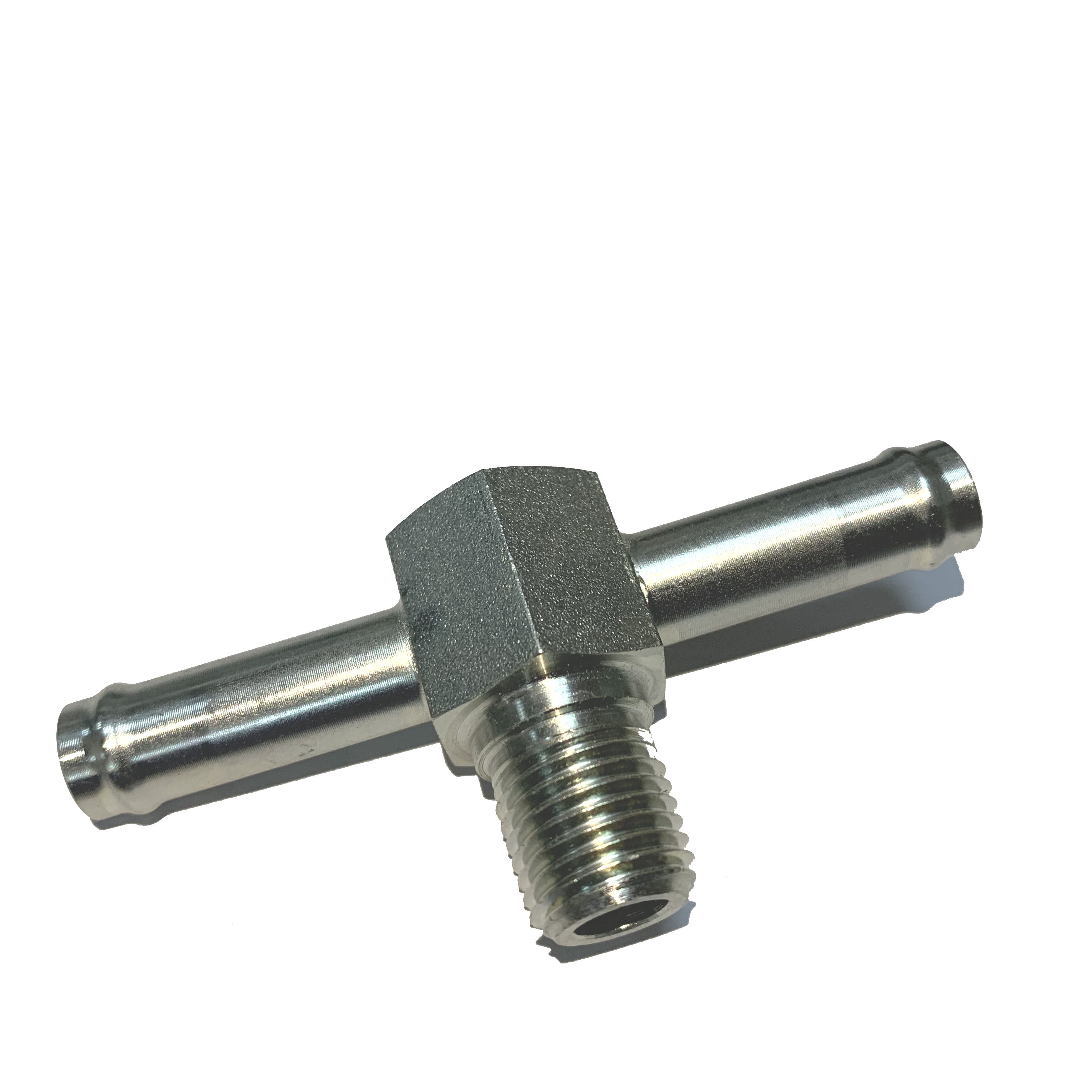
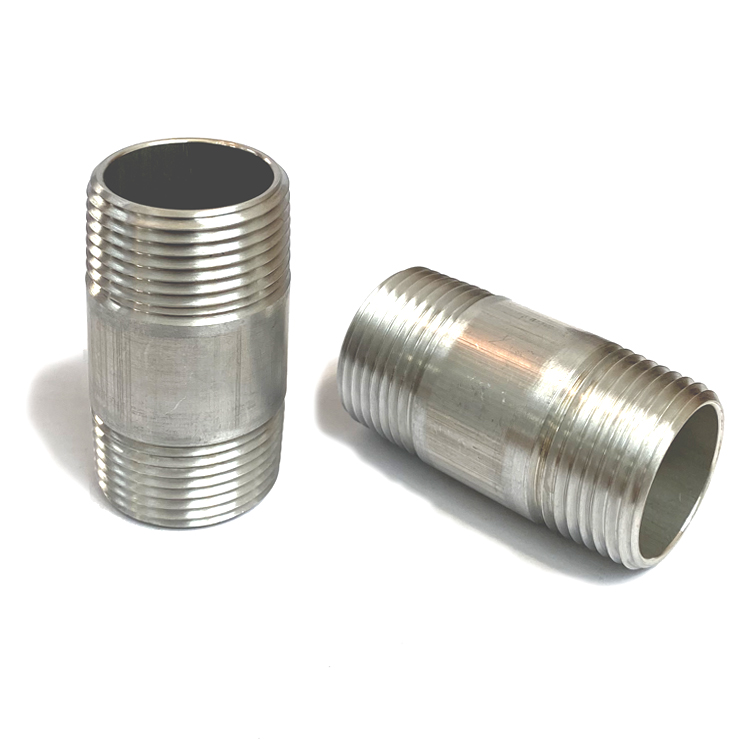
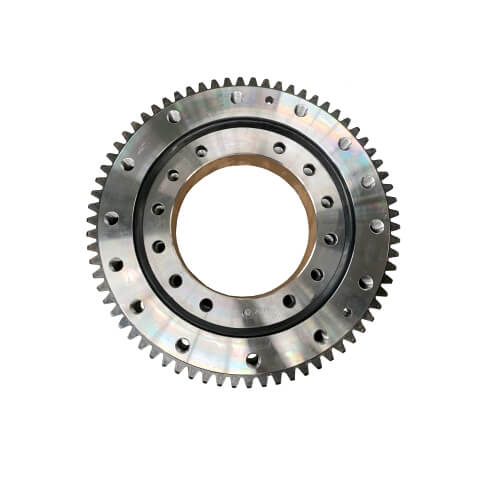
# Products Introduce JOC’s Transmission Line Fittings are reliable hardware for overhead power lines and substations, including fittings, clamps, connectors, brackets, and structural parts. We offer aluminum alloy, galvanized steel, and stainless steel options (selected by environment and load) for long-term use in harsh conditions. Made to ISO standards, our fittings have good conductivity, strong mechanical strength, and anti-corrosion performance—preventing hot spots and power outages to stabilize grids. Ideal for line upgrades or new substation builds.
Product Center




Product Advantages
Our Transmission Line Fittings stand out in the market with targeted advantages that directly address the core demands of overhead power lines and substations—focusing on both adaptability to diverse scenarios and reliability in long-term operation. Below are the key strengths that make our products a trusted choice for grid infrastructure:

Flexible Material Selection & Strong Environmental Adaptability
We offer three high-quality material options—aluminum alloy, galvanized steel, and stainless steel—carefully chosen based on actual application scenarios (such as humidity and corrosion risks) and load requirements. This targeted material matching ensures our fittings maintain long-term structural integrity and stability, even in harsh operating environments, fully meeting the diverse needs of overhead power lines and substations.
Excellent Performance & Rigorous Quality Assurance
All fittings boast core advantages of good conductivity (reducing energy loss), strong mechanical strength (withstanding external stresses), and long-lasting corrosion resistance. Manufactured strictly in line with ISO standards, our products undergo consistent quality control from production to delivery, effectively preventing grid issues like hot spots and unexpected power outages, and providing reliable support for stable and efficient grid operation.

Technical Specifications
To ensure our Transmission Line Fittings fully meet the rigorous requirements of overhead power lines and substations, we have defined clear, quantifiable technical specifications covering material properties, performance limits, and manufacturing standards. These detailed parameters not only guarantee product reliability but also help customers accurately match fittings to their specific application scenarios, as outlined below:

Material Specifications
Aluminum Alloy: Adopts high-purity aluminum alloy (e.g., 6061/6063 series), with tensile strength ≥ 205 MPa, yield strength ≥ 170 MPa, and elongation ≥ 8%. Lightweight (density ~2.7 g/cm³) and excellent in electrical conductivity (~50-60% IACS), suitable for medium-load, low-corrosion overhead line scenarios. Galvanized Steel: Uses hot-dip galvanized carbon steel (e.g., Q235/Q355), with galvanized layer thickness ≥ 85 μm. Tensile strength ≥ 375 MPa, yield strength ≥ 235 MPa, and superior rust resistance, ideal for high-load, outdoor harsh environments. Stainless Steel: Selects 304/316 stainless steel, with tensile strength ≥ 515 MPa, yield strength ≥ 205 MPa, and excellent corrosion resistance (resistant to acid, alkali, and salt spray). Suitable for coastal, high-humidity, or chemical-corrosion-prone substation areas.

Performance Parameters
Electrical Conductivity: For aluminum alloy and stainless steel fittings, the electrical resistivity ≤ 0.028 Ω·mm²/m at 20°C; galvanized steel fittings meet the conductivity requirements of power transmission hardware, ensuring minimal energy loss during current transmission. Mechanical Strength: All fittings pass load tests—clamps and connectors can withstand static load ≥ 90% of the rated breaking load of matched conductors; brackets and structural parts have a safety factor ≥ 2.5 against bending and torsion. Corrosion Resistance: Aluminum alloy fittings undergo anodizing treatment (film thickness ≥ 10 μm); galvanized steel fittings pass 500-hour salt spray test without red rust; stainless steel fittings pass 1000-hour salt spray test with no visible corrosion, ensuring a service life of ≥ 15 years.

Manufacturing & Certification Standards
Production Process: Strictly follows ISO 9001 quality management system, with key processes (e.g., forging, machining, surface treatment) controlled by automated equipment to ensure dimensional accuracy (tolerance ≤ ±0.1 mm for critical parts). Certifications: All products comply with international standards including ISO 4885 (for overhead line fittings) and IEC 61284 (for power transmission hardware). Each batch is accompanied by a test report covering material composition, mechanical performance, and corrosion resistance. Packaging Specifications: Uses moisture-proof cartons or wooden crates, with anti-collision foam inside. Each fitting is labeled with model, material, batch number, and production date for traceability.
Application

Overhead Power Transmission Lines
Our Transmission Line Fittings serve as core connecting and fixing components for overhead lines (including high-voltage and medium-voltage lines). Clamps and connectors are used to secure conductors and ground wires, ensuring stable current transmission; brackets provide reliable support for line hardware. With material options like corrosion-resistant galvanized steel and lightweight aluminum alloy, the fittings adapt to long-span line layouts and outdoor environments, effectively withstanding wind, rain, and temperature fluctuations.

Substation Infrastructure
Within substations—key nodes of power distribution—our fittings play a critical role in equipment connection and structural reinforcement. Structural parts and brackets fix transformers, switches, and other electrical devices; high-conductivity connectors ensure low-loss power transfer between equipment. Stainless steel fittings (resistant to humidity and chemical corrosion) are especially suitable for indoor and outdoor substation areas, preventing rust and ensuring long-term safe operation of substation systems.

Special Environmental Power Projects
For power projects in harsh or special environments, our fittings offer targeted solutions. In coastal areas with high salt spray, stainless steel fittings resist corrosion; in high-altitude or heavy-load regions, galvanized steel fittings with strong mechanical strength (safety factor ≥ 2.5) meet load requirements. They are also applicable to power grids in industrial zones (with chemical fumes) and agricultural areas (with high humidity), ensuring stable power supply in diverse complex scenarios.

Grid Upgrade & New Construction Projects
Whether upgrading aging overhead lines or building new substations, our fittings provide compatible and reliable hardware support. For upgrades, they match existing line specifications (e.g., conductor types) to reduce replacement costs; for new construction, they comply with ISO standards and IEC 61284, aligning with modern grid construction requirements. The multi-material selection and consistent performance make them a flexible choice for various grid improvement and expansion projects.

Contact Us
If you have inquiries about our Transmission Line Fittings—whether it’s details on material selection for specific application scenarios, technical specification verification, or customization needs for grid projects—our team is ready to provide professional support. Reach out to us through the following channels, and we will respond to your questions promptly to help you find the most suitable hardware solution for your power infrastructure:
Download
- Name
- Summary
- Category
- Update
- Size
- Downloads
- Thumbnail
- Download
- Copy Link
- JOC line hardware.pdf
- Uncategorized
- 2025-10-22
- 2.85MB
- 295
-
- Download
- Copy Link
- Automatic Shelling Robot_ Octopus_Brochure.pdf
- Automatic Shelling Robot_ Octopus_Brochure
- Uncategorized
- 2023-11-16
- 1.03MB
- 356
-
- Download
- Copy Link
- Automatic shelling video.mov
- Automatic shelling video
- Uncategorized
- 2023-05-10
- 47.54MB
- 390
-

- Download
- Copy Link
- Automatic shelling video.rar
- Automatic shelling video
- Uncategorized
- 2022-12-08
- 47.46MB
- 337
-
- Download
- Copy Link
- Automatic Shelling OCTOPUS* Instructions
- Automatic Shelling OCTOPUS* Instructions
- Uncategorized
- 2022-11-29
- 743KB
- 413
-
- Download
- Copy Link
- JOC Catalogue for Petroleum Machinery(Revised).pdf
- Uncategorized
- 2022-05-10
- 1.20MB
- 382
-
- Download
- Copy Link
- JOC Catalogue for Cable machinery.pdf
- Uncategorized
- 2022-05-10
- 1.54MB
- 363
-
- Download
- Copy Link
- Catalogue for Optical cable and material.pdf
- Uncategorized
- 2022-05-10
- 936KB
- 374
-
- Download
- Copy Link
- Transmission&Distirbution Catalog.pdf
- Uncategorized
- 2022-04-29
- 2.81MB
- 376
-
- Download
- Copy Link
- Comprehensive Catalog.docx
- Uncategorized
- 2021-07-14
- 13.48MB
- 443
-
- Download
- Copy Link
FAQs
Our Certificate
To ensure our Transmission Line Fittings meet global quality standards and reliable application requirements in power grid projects, we have obtained a series of authoritative certifications covering quality management, product performance, and industry compliance. These certifications not only validate the excellence of our products but also provide customers with solid assurance for safe and compliant use, as detailed below:
Related Blogs
-
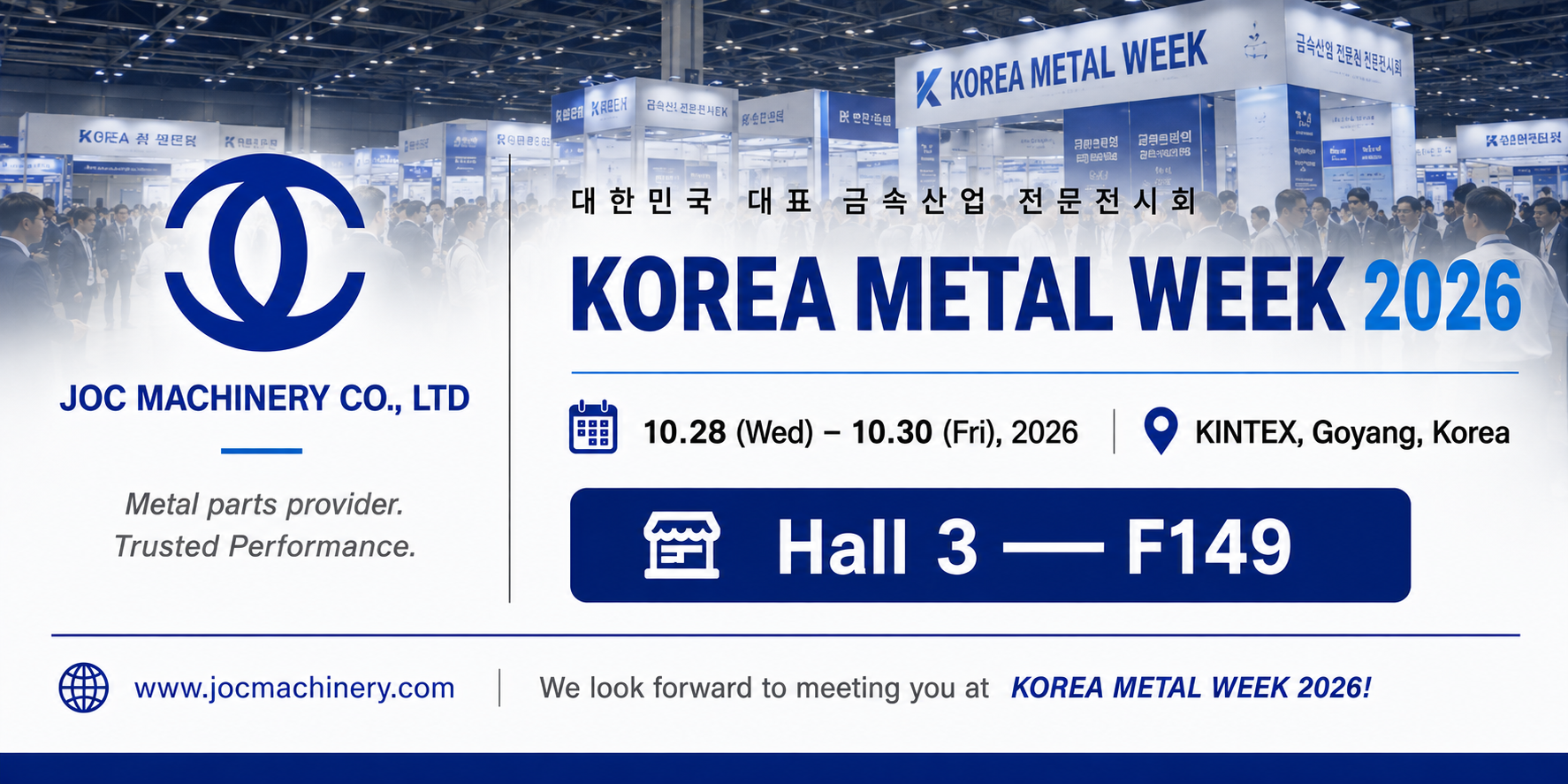 Meet JOC Machinery Co., Ltd. at KOREA METAL WEEK 2026! We are excited to announce that JOC Machinery Co., Ltd. will be participating as an exhibitor in KOREA METAL WEEK 2026. As a premier provider of high-quality metal parts, we invite industry partners, clients, and professionals to visit our booth to explore our latest products, engineering capabilities, and trusted performance solutions.Exhibition News
 -
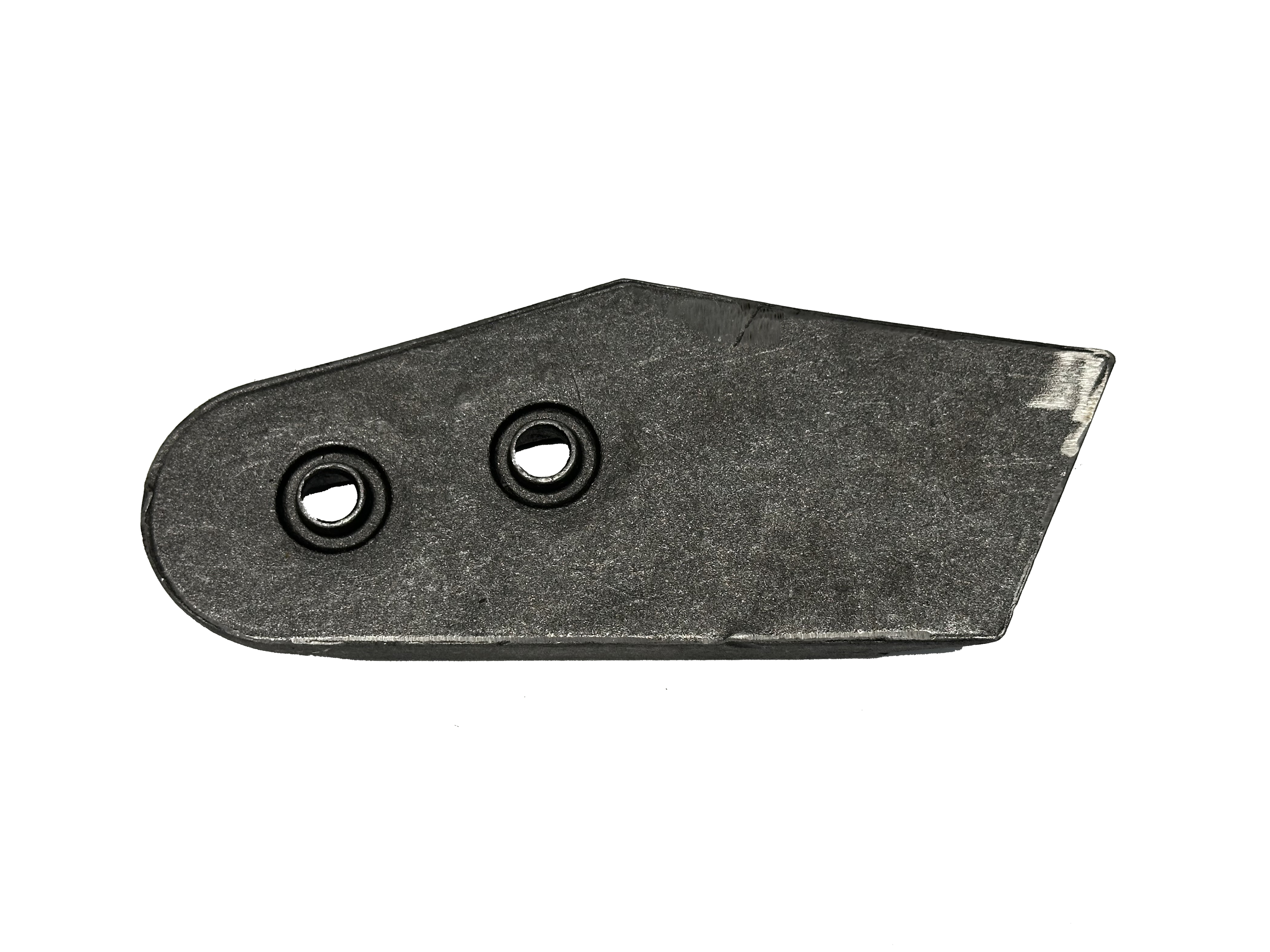 Learn how to build precise agricultural machinery parts specs to cut downtime, filter vendors, and ensure durable field performance.
 -
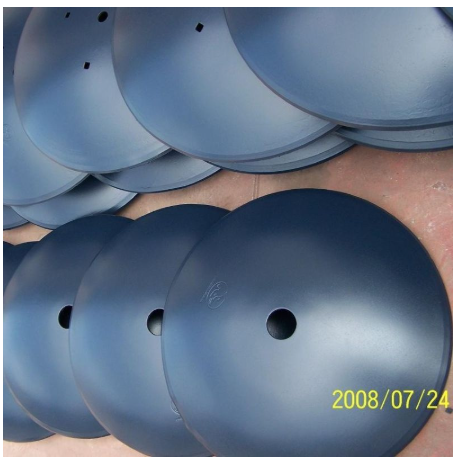 Choose the right plough disc size and thickness for your soil, residue, and tractor. Boost penetration, cut wear, and avoid field delays.
 -
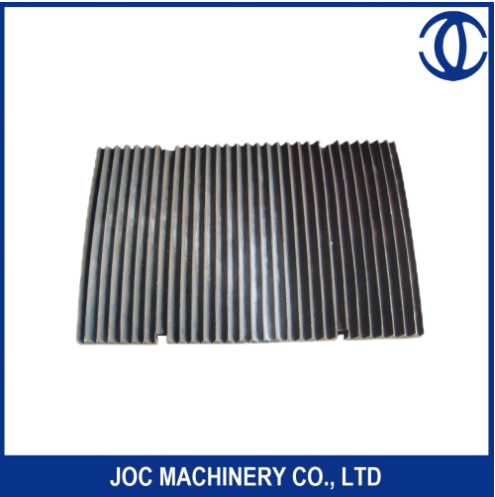 Lower your cost-per-ton and reduce crusher downtime. Learn how work-hardening and the right manganese steel jaw plate grade maximize wear life.
Keep In Touch With Us
Whether you have follow-up questions about Transmission Line Fittings (such as material details, application adaptation,or certification verification), or hope to discuss customized solutions for your grid projects, we welcome you to keep in touch with us. Maintaining close communication helps us better understand your needs and provide more targeted support for your power infrastructure construction or upgrade plans:
Mob:0086-25-83317070
E-mail:peter@jocmachinery.com